Skin Tag Removal
Skin Tag Removal in Rainford, St Helens
Skin tags are small, soft growths that form where skin rubs against skin or clothing. Under a bra strap, on the neck where a necklace catches, in the armpits, the groin, and on the eyelids. They are harmless, and they are the single most common reason people come to us for lesion removal.
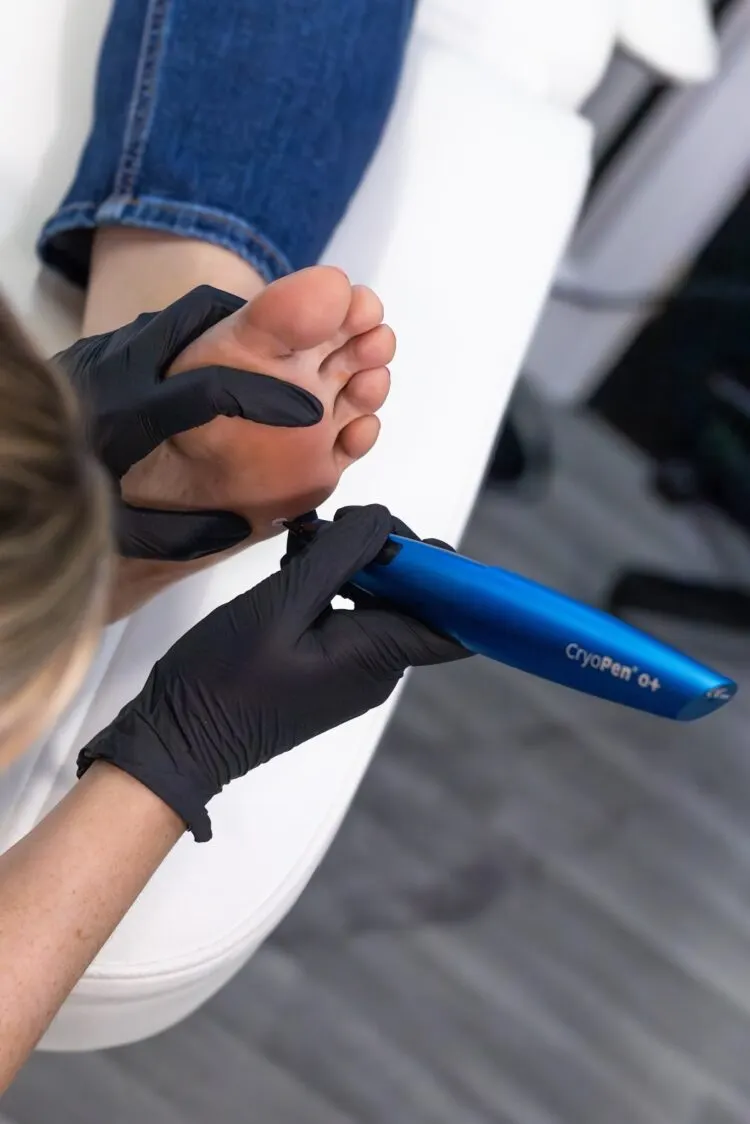
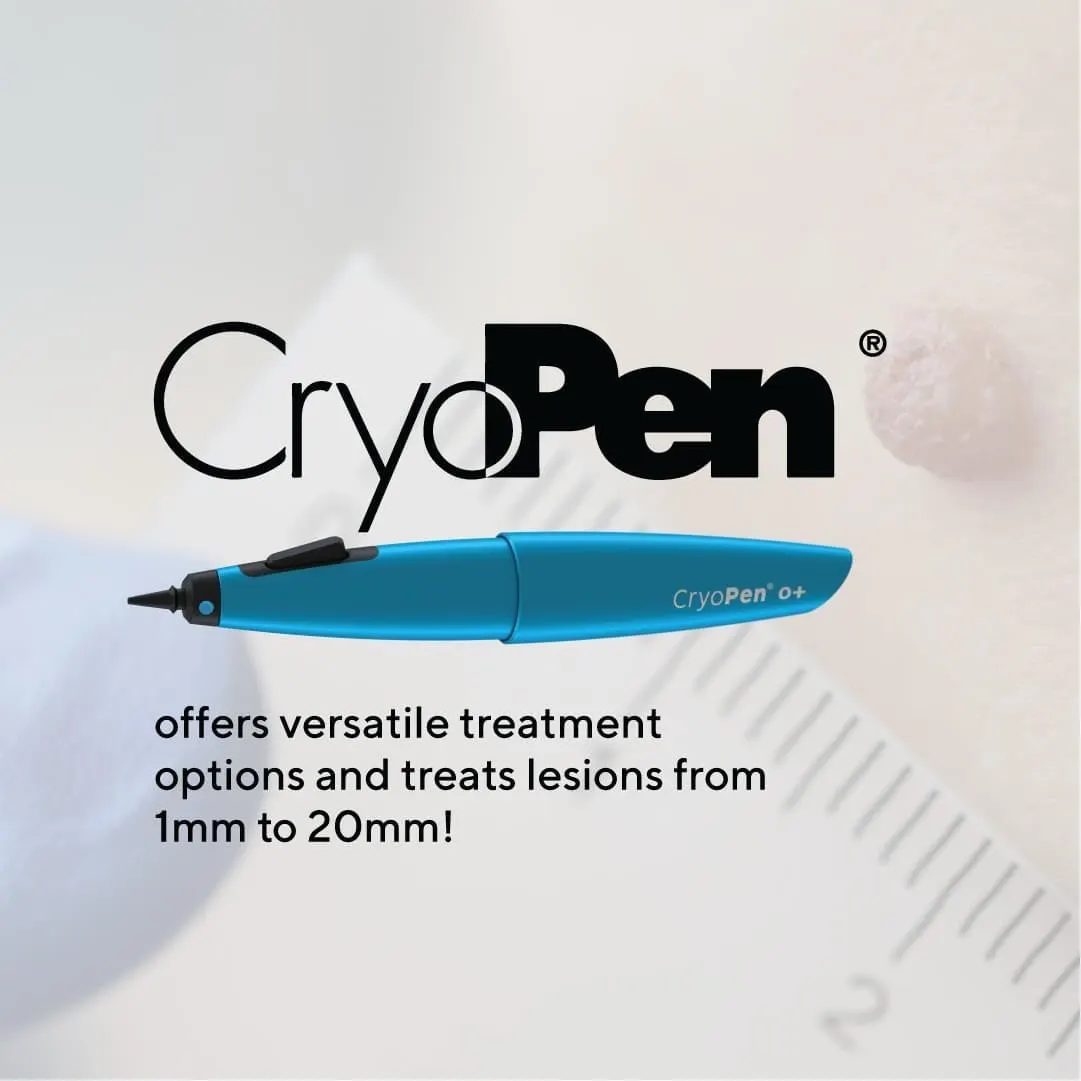
At Hannah Clarke Advanced Skin and Beauty in Rainford, skin tags are removed with Cryopen, a precise freezing treatment, by a registered children's nurse. Most skin tags need one session, sometimes two, and the treatment itself takes seconds.
Because they are not viral, skin tags clear faster than anything else we treat this way. Wart and verruca removal typically takes four to five sessions, and milia removal sits somewhere in between.
Please Do Not Tie Cotton Around Them
Skin tags are the lesion people most often try to remove themselves, and it is where nearly all the damage we see comes from.
We have treated people who tried to remove a skin tag by tying cotton around the base. The cotton became embedded, the area swelled, and all it achieved was to prolong the pain and delay proper treatment.
Home freezing kits are no better. They are not precise, so they take surrounding skin along with the lesion. On thin skin like an eyelid or the side of the neck that can leave a mark where previously there was only a skin tag.
Cryopen treats one lesion at a time, to a controlled depth, in a few seconds.
One thing worth saying plainly. Skin tags themselves are harmless, but a sudden crop of new ones is worth mentioning to your GP, because they can be linked to other things going on in the body. That is not a reason to worry. It is a reason to have the conversation.
Your Appointment, and What Happens After
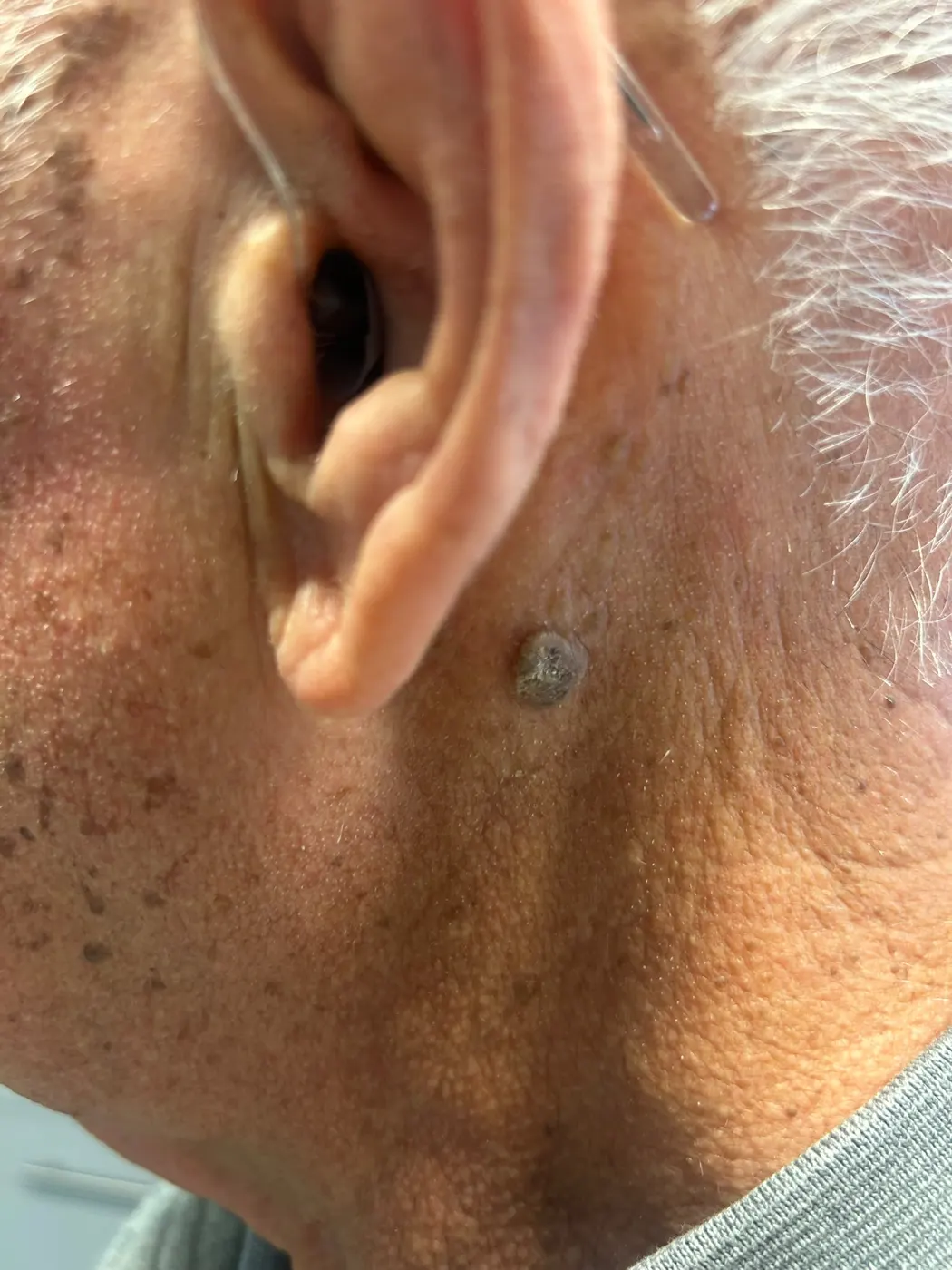
Treatment starts with a consultation to check that you are suitable. The lesion is assessed and photographed for your records.
The treatment itself is a freeze, thaw, freeze process. It feels very cold, like ice, and lasts a matter of seconds. Numbing cream is not usually needed for a single lesion. Allow around twenty minutes for the appointment, although the treatment itself takes seconds.
It can be uncomfortable depending on where the lesion is, but it is generally well tolerated.
Healing. The area may look red and feel a little itchy. Keep it clean and dry. You can shower and bathe as normal, and carry on with your usual activities including the gym. The main thing is to avoid the area becoming infected.
The lesion will typically blister, scab and crust, and that generally falls away within one to two weeks. You come back for a review at two weeks, or sooner if anything concerns you.
Who it is not suitable for. Cryopen is not indicated during pregnancy. Raynaud's is a consideration where we would be treating hands or feet. Lesions in sensitive areas can be treated but need careful thought. In darker Fitzpatrick skin types there is a greater risk of hyperpigmentation after removal, which is one of the reasons the consultation comes first.
If there were anything about a lesion that caused concern, she would speak to your GP with your permission rather than treat it. And if Cryopen were not the right answer, she would tell you where to go instead.
Our salonRainfordTreated by a Registered Children's Nurse
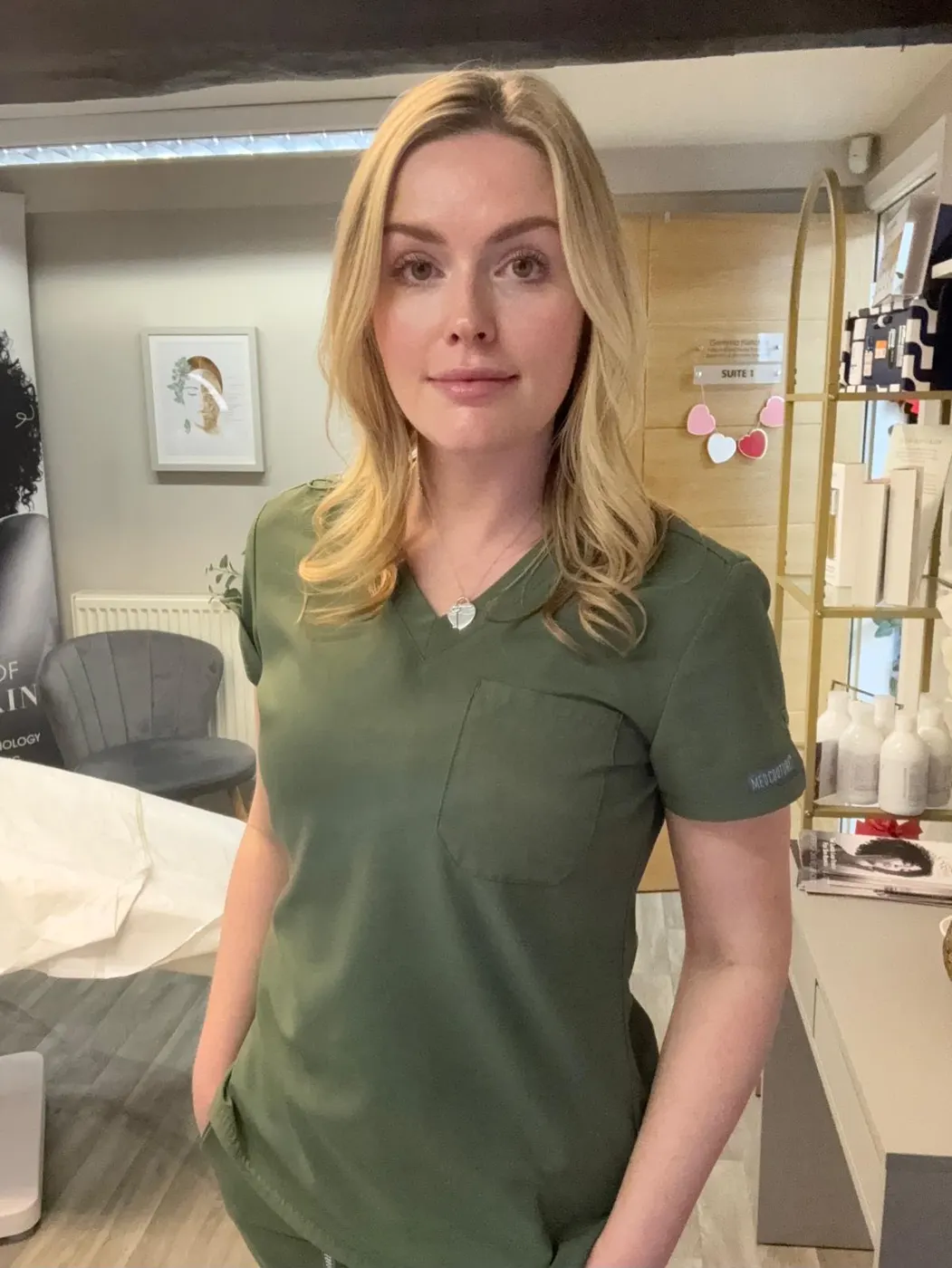
Cryopen at Hannah Clarke is delivered by a registered children's nurse.
That matters here more than on most treatments. It means children can be treated, which very few salons offering lesion removal can say, and it means clinical judgement about what should and should not be treated in the first place.
There is no upper age limit either. Clients range from children with verrucas through to people in later life having lesions removed that have bothered them for years.
If a lesion is not suitable for Cryopen, or if there is anything about it that raises a question, she will say so, and with your permission she will speak to your GP rather than treat it.
Skin Tag Removal Prices
| Treatment | Price |
|---|---|
| Cryopen single lesion | £60 |
| Cryopen multiple small lesions | £100 |
| Cryopen large areas | £150 |
Prices may vary slightly depending on the practitioner carrying out your treatment. Check the booking page for the latest prices and availability.
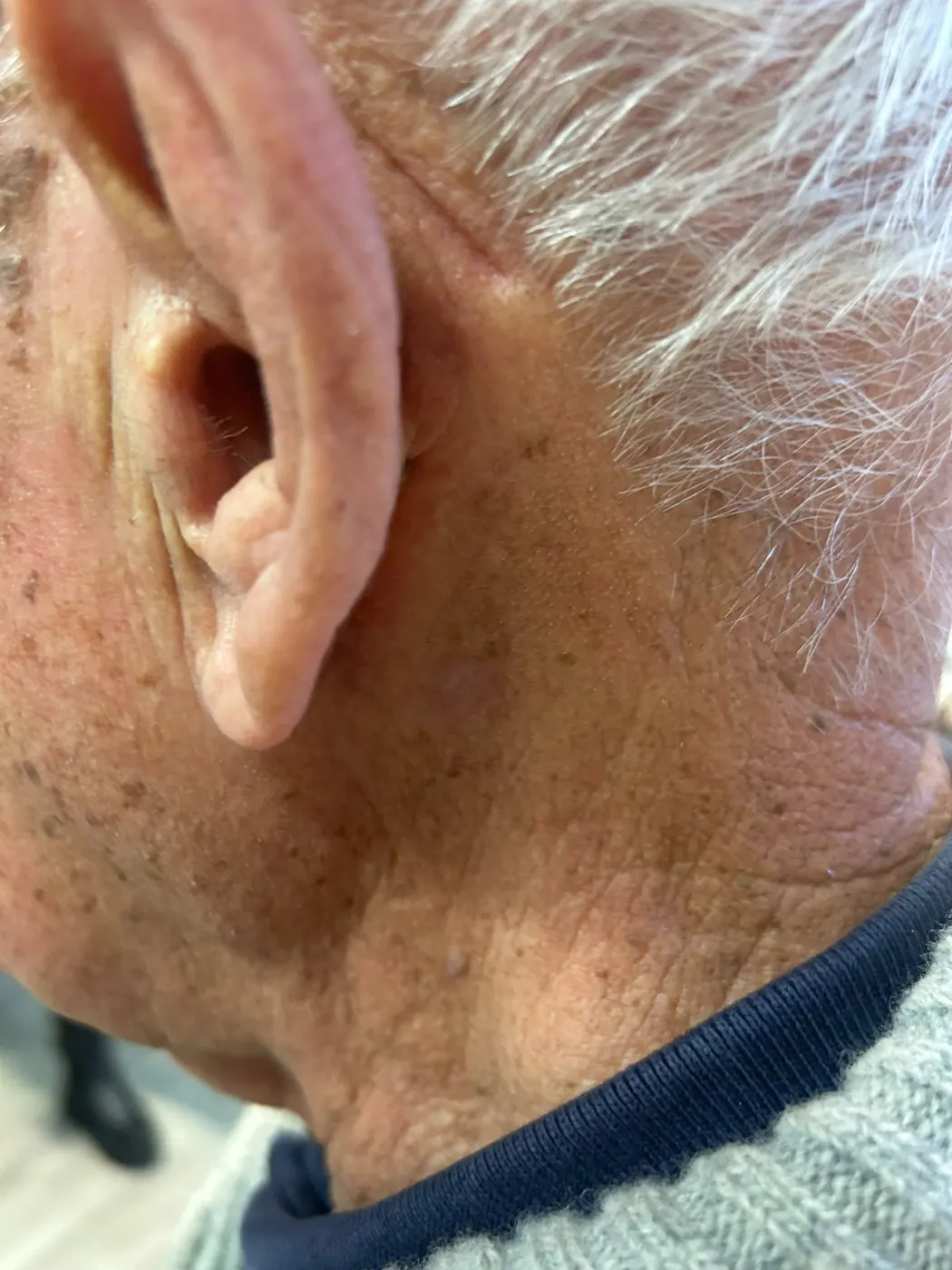
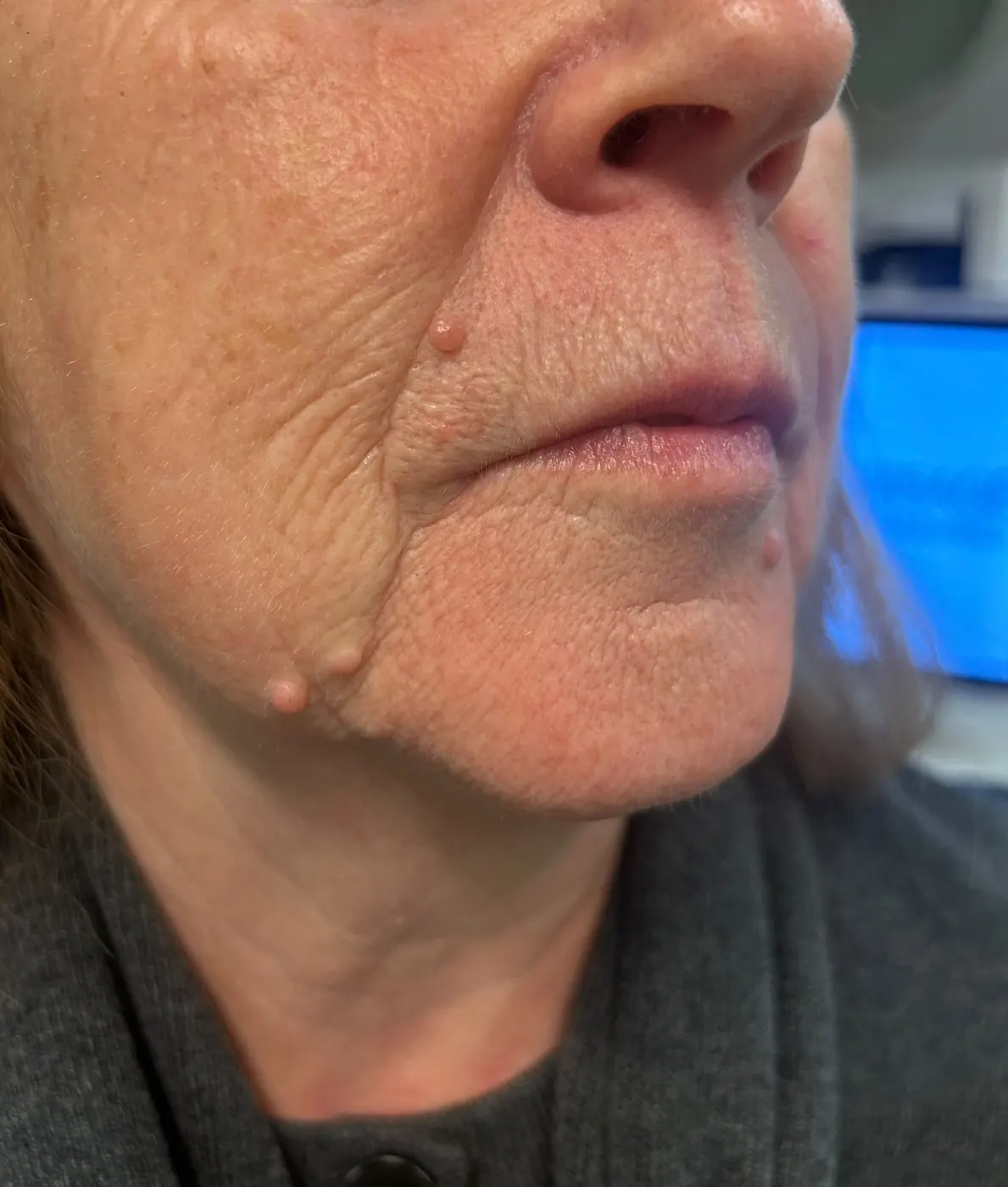
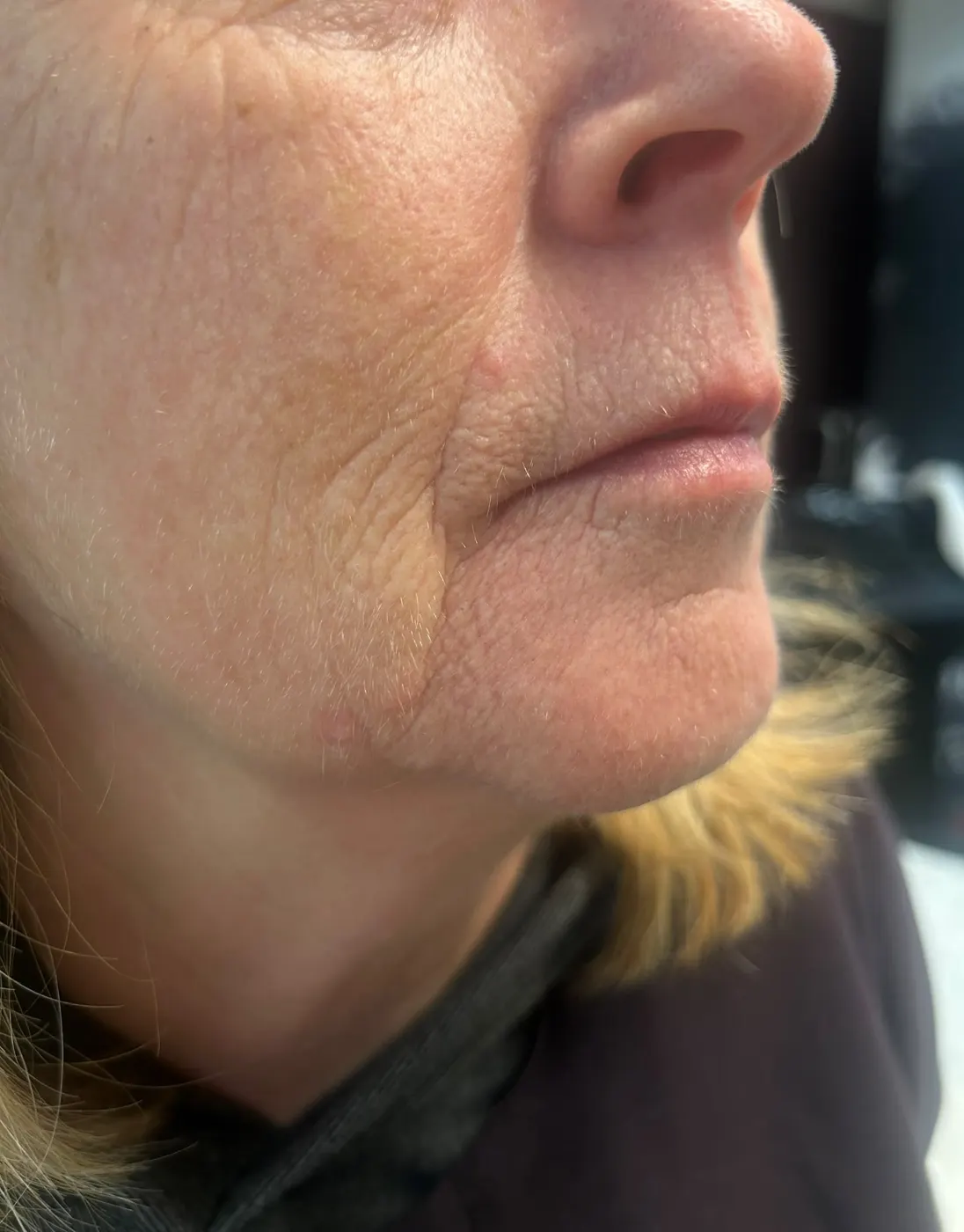
No Filter, Just Results
Skin Tag Removal: The Questions Everyone Asks
How many sessions does skin tag removal take?
Usually one. Sometimes two for a larger or more stubborn tag. Skin tags are not viral, so they clear far more quickly than warts or verrucas, which typically need four to five sessions.
How much does skin tag removal cost?
Cryopen is £60 for a single lesion, £100 for multiple small lesions and £150 for larger areas. Your nurse confirms which applies at your consultation. Very large areas or high numbers of lesions are priced bespoke, per canister, and confirmed at your consultation.
Where on the body can skin tags be treated?
The neck, underarms, along the bra line, the groin, the eyelids and anywhere else skin rubs. Lesions in delicate areas such as the eyelids can be treated, they just need careful consideration first, which is what the consultation is for.
Can I remove a skin tag at home?
Please do not. Tying cotton around the base tends to embed the cotton and swell the area without removing anything. Home freezing kits are imprecise and take surrounding skin with them, which on thin skin can leave a mark where there was only a skin tag.
What causes skin tags?
Friction, most often. They are more common with age, during pregnancy and after weight change. They are harmless in themselves, though a sudden crop of new ones is worth mentioning to your GP.
When should I see a GP rather than book a treatment?
If a lesion changes shape, colour or size, if it bleeds, itches persistently or looks different from the others, see your GP first. Moles are treated separately and may need minor surgery rather than freezing. If anything about a lesion raises a question here, you will be told, and with your permission she will speak to your GP rather than treat it.
Will it leave a mark?
The area typically blisters, scabs and crusts, and that falls away within one to two weeks. In darker Fitzpatrick skin types there is a greater risk of hyperpigmentation after removal, which is one of the reasons the consultation comes first.
Who carries out the treatment?
A registered children's nurse, which means children can be treated as well as adults, and there is no upper age limit.
Does it hurt?
It feels very cold, like ice, for a few seconds. It can be uncomfortable depending on the location, but it is generally well tolerated. Numbing cream is not usually needed for a single lesion.
How long is the appointment?
Around twenty minutes, although the treatment itself takes seconds.
What happens afterwards?
The area may be red and slightly itchy. Keep it clean and dry. You can shower, bathe and carry on with normal activities including the gym. You return for a review at two weeks.
Who cannot have Cryopen?
It is not indicated during pregnancy. Raynaud's is a consideration when treating hands or feet. Lesions in sensitive areas can be treated but need careful thought.
Get the Lowdown
While You're in the Chair...
Book Skin Tag Removal
Book online, or call or WhatsApp us on 07514 307 552 if you would like to talk it through first.
Come and Be Nosy on Instagram