Laser Hair Removal
Laser Hair Removal in Rainford, St Helens
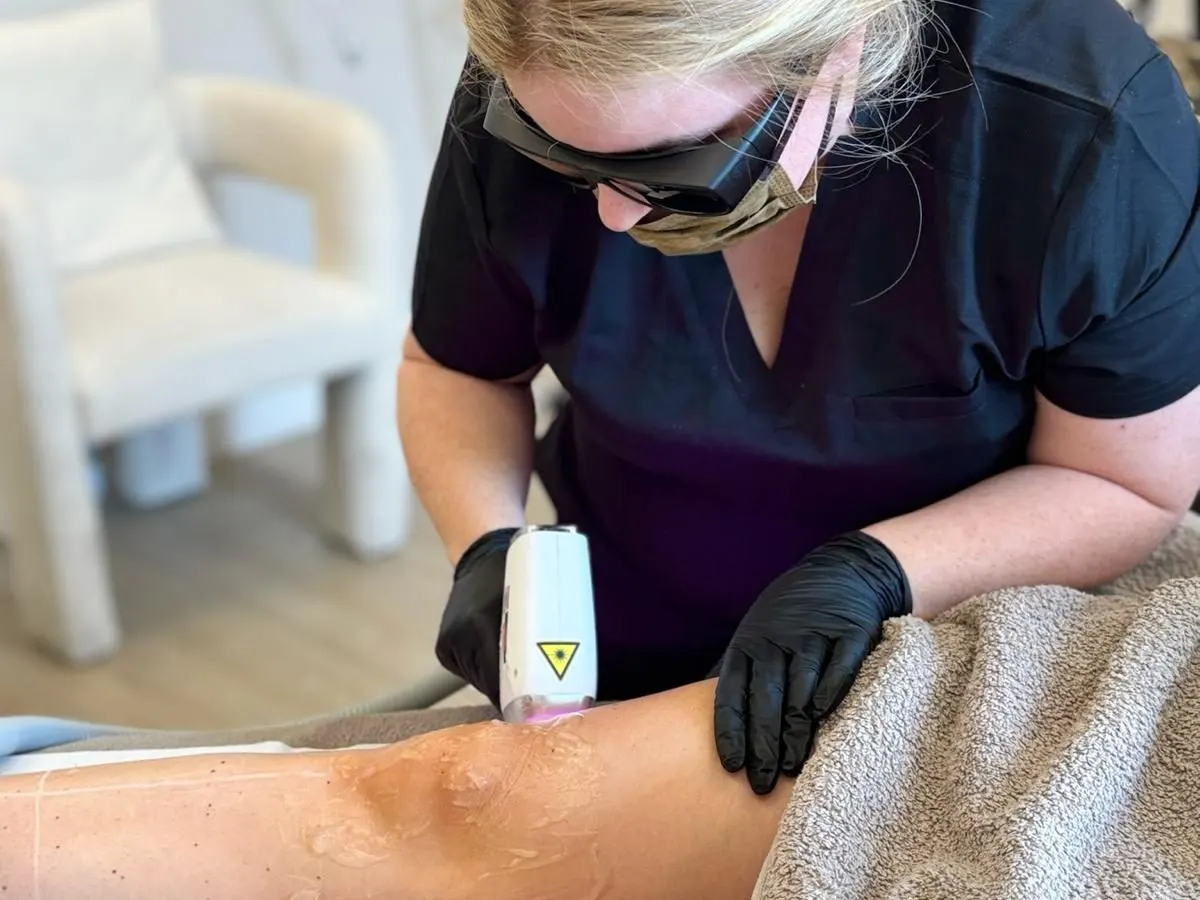
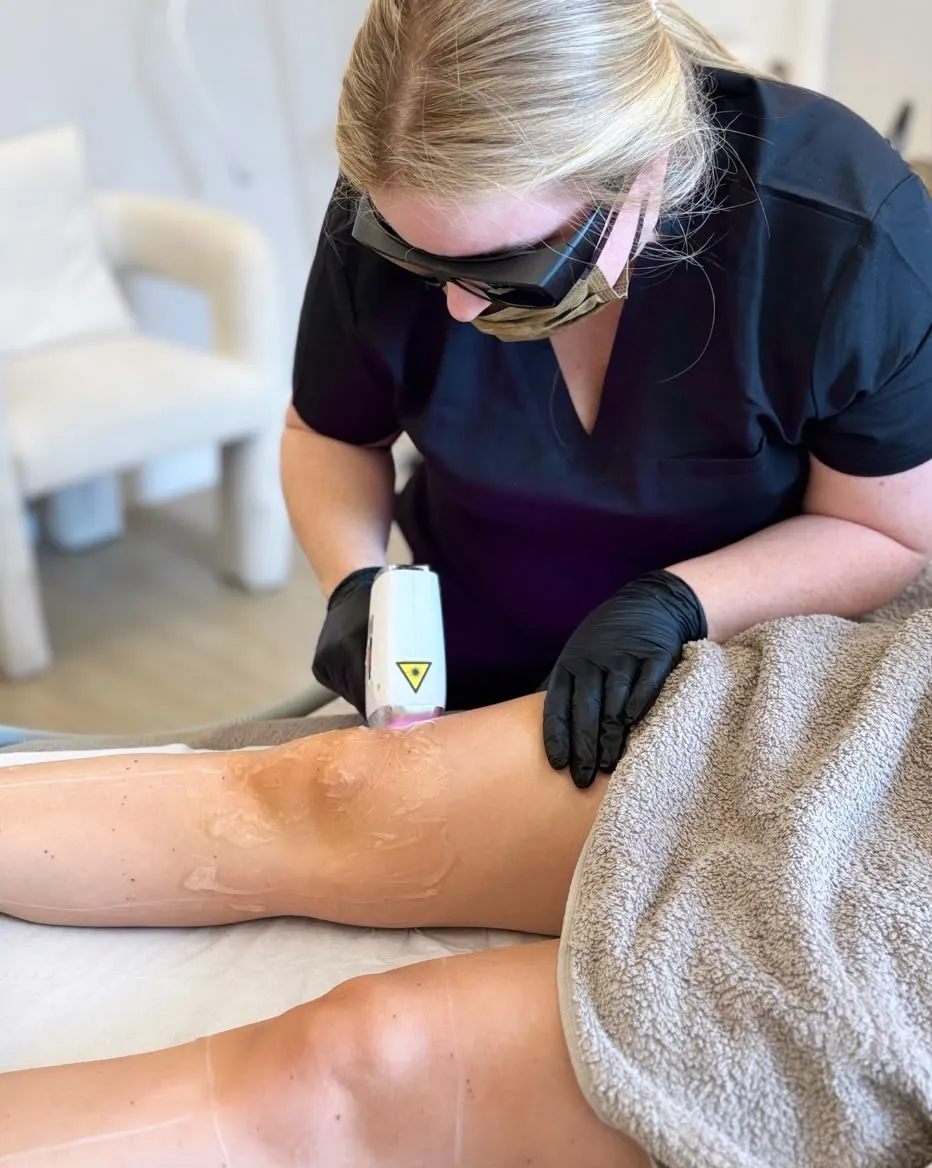
Laser hair removal at Hannah Clarke Advanced Skin and Beauty is carried out by Leah, using the SMARTdiode Pro, a medically graded laser machine. It is suitable for men and women, and for all skin types.
Every new client starts with a consultation and a patch test. That is partly insurance, partly making sure the treatment is safe for you specifically, and partly so you find out whether your hair will actually respond before you spend anything on a course.
The one thing worth knowing before you book: laser only works on hair that carries pigment. Dark hair responds well. Blonde, red and grey hair does not.
 Your practitionerLeahLaser technician
The Machine: Medically Graded, Not a Salon IPL
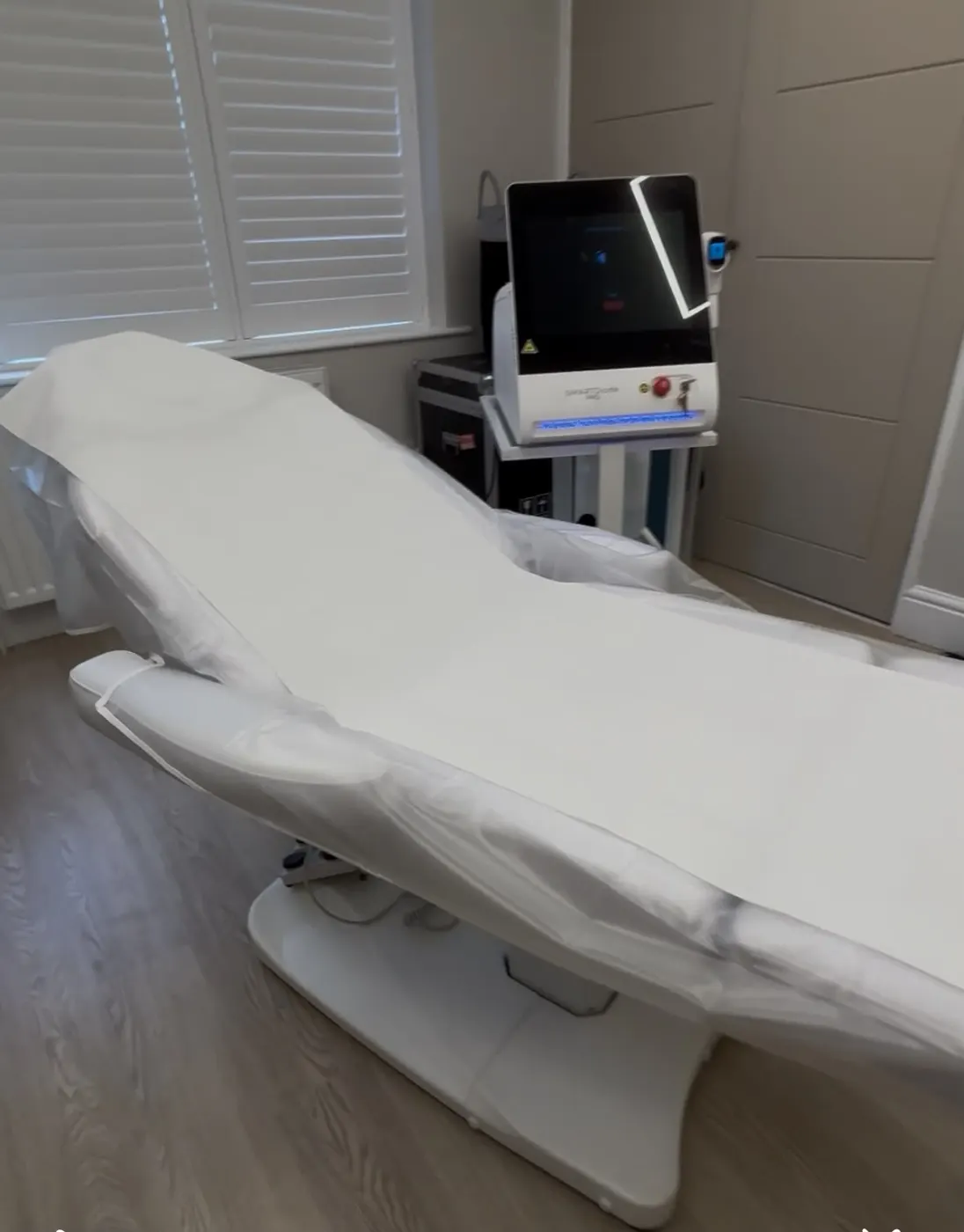
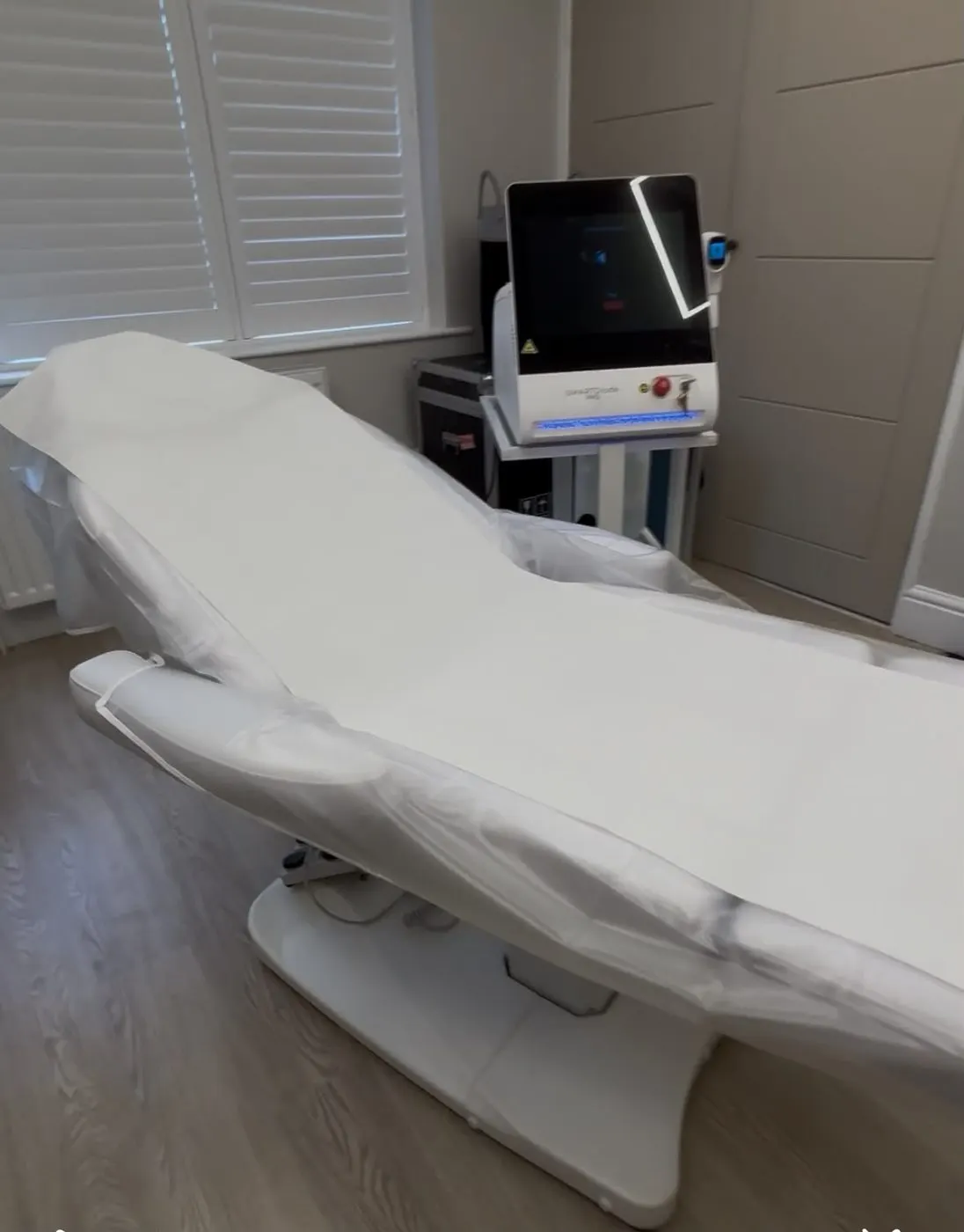
Leah treats with the SMARTdiode Pro, a medically graded laser system, chosen because it is suitable for all skin types and delivers consistent results session on session.
That distinction matters when you are comparing prices locally. IPL devices scatter light across a broad range of wavelengths. A medical grade diode laser delivers a single, focused wavelength to the hair follicle, which is what makes treatment predictable and what makes it possible to treat a wider range of skin tones.
How Laser Hair Removal Works, and Who It Works for
The laser targets the pigment in the hair follicle. That is the whole mechanism, and it is why hair colour is the deciding factor rather than skin colour.
If your hair will not respond to laser, Leah will tell you at consultation rather than sell you a course.
 Your practitionerRainford
Meet Leah, Your Laser Technician
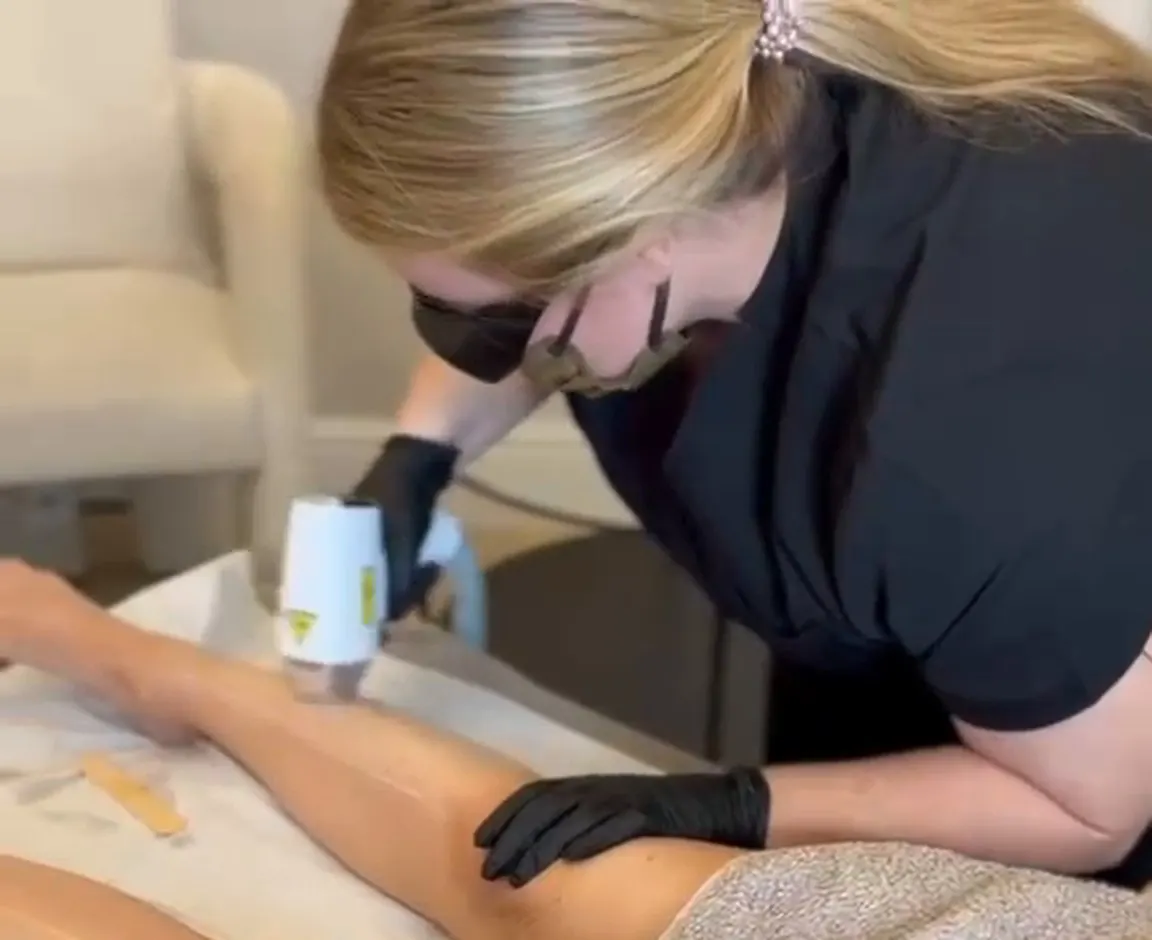
Laser hair removal at Hannah Clarke is delivered by Leah, from her own treatment room upstairs at the Rainford salon.
- Registered dental nurse, who has completed additional specialist training to qualify as a laser technician.
- Continuing training, kept up to date specifically around laser safety, different skin types, and getting the best results for each client.
Her approach is straightforward. She will tell you honestly whether she thinks the treatment will work for you, and she will say so if she thinks it will not.
"If I don't think the hair is going to respond well, I'll let you know that. Because I don't want you to waste your money. And also, I don't want bad results. I want good results. I'd never want someone paying for treatment I don't think will benefit them."
You also get her number, so there is someone to contact between appointments.
All Skin Types, Assessed Properly
A lot of clinics turn away darker skin tones, or treat everyone on the same settings and hope. Neither happens here.
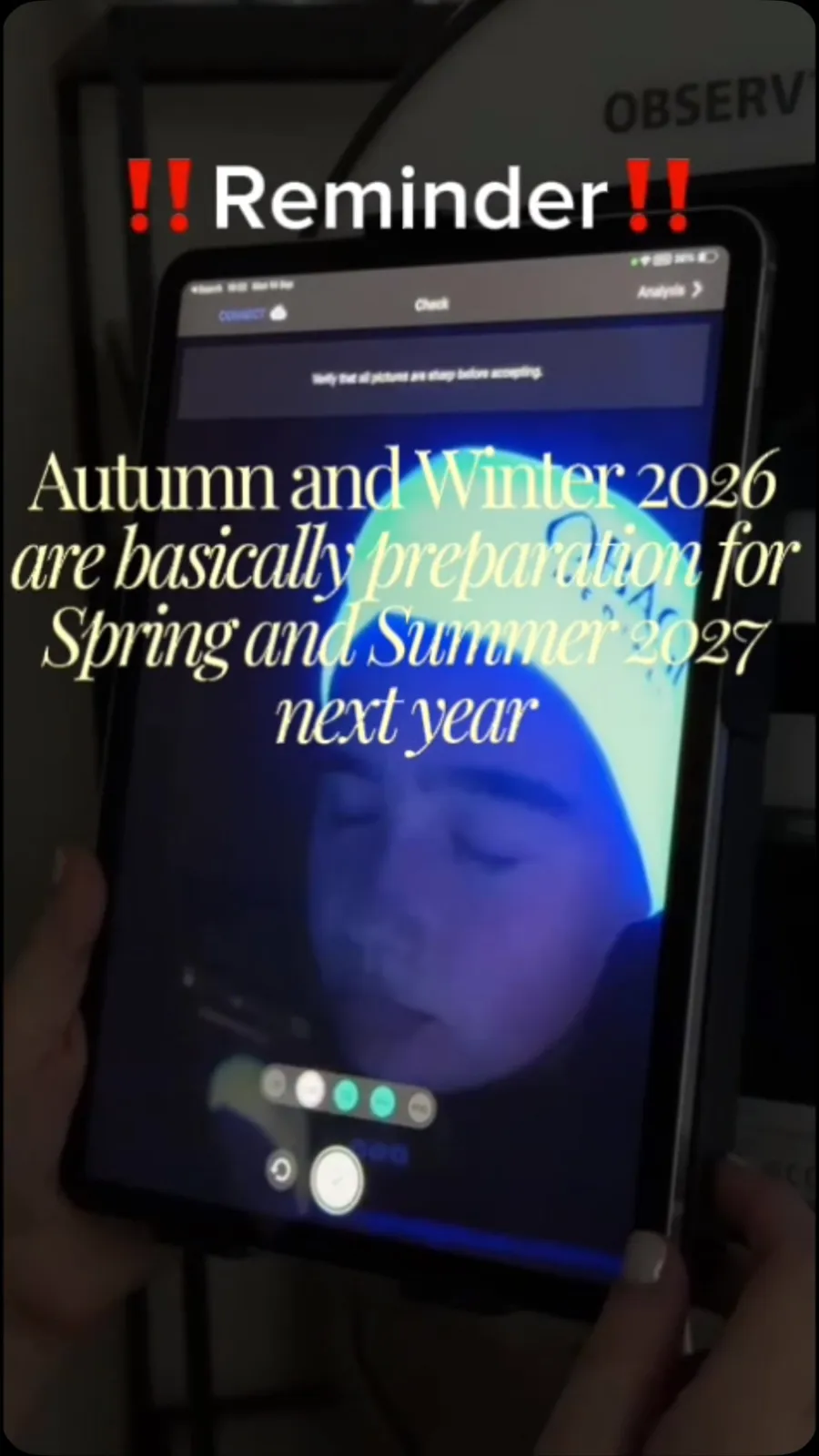
At your consultation, Leah assesses your skin using a Fitzpatrick skin type device, a small device placed on the skin that tells her which of the six Fitzpatrick types you are. Types run from 1, the very fairest skin, through to 6, the deepest. That reading is what sets the machine to the correct settings for you.
It is a two minute step, and it is the difference between a treatment planned around your skin and a treatment planned around an average.
Your Consultation and Patch Test
Every new client has a consultation and patch test before any treatment. It is a requirement, both for insurance and to establish that laser treatment is safe for you specifically.
Here is what it covers:
- What you want treated, and what you are hoping for. Your expectations matter as much as the areas, because part of the job is being straight with you about what laser can and cannot do.
- Medical history and medications. Including anything that interacts with the treatment. HRT and hormonal medication, for example, can increase hair growth, which changes what to expect from a course.
- Fitzpatrick skin type assessment. So the machine is set correctly for your skin.
- How the treatment actually works, and why it needs a course rather than a single session.
- Preparation, covered in full so you know what to do before you come in.
- The patch test itself. A small test area with the machine on your settings.
The patch test is there to see whether your skin reacts. If there is a reaction, such as blistering, treatment does not go ahead and you are not a suitable candidate. Far better to find that out on a small test patch than after a full area has been treated.
"So when you come in for your free patch test, there's no pressure. When you come in, I'll just look at the area. If you have any questions, I'll answer them honestly and tell you whether I think you're a good candidate for the treatment."
Most people who go ahead say the same thing afterwards.
"Lots of people when they start the treatment say, oh, I wish I would start at this sooner, I was thinking of it months ago. Or it's been life changing, it's been the best thing I've ever done. Like, that's genuinely what people say."
No Filter, Just Results
How to Prep for Laser (Step Away from the Wax Strips)
Three things, and the first one catches people out.
All of this is covered in depth at your appointment, so you do not need to have it memorised beforehand.
What Happens in a Laser Session
Every appointment follows the same sequence, including the ones part way through a course.
- Medical history check. Leah goes through your medical history at the start of every session, not just the first one, to make sure nothing has changed since you were last in.
- Skin check on the treatment area. The area is checked for rashes, redness, soreness or anything else that would affect treatment. If the skin is compromised, that area is not lasered that day.
- Protective eyewear. Eyewear goes on for both you and Leah before the laser is switched on.
- Treatment. The area is treated on the settings matched to your Fitzpatrick skin type.
- Aftercare. Leah talks you through aftercare before you leave.
Aftercare
Leah goes through aftercare with you at the end of every session, so you know what is normal and what to do about it.
Some redness or soreness in the treated area afterwards is common. Aloe vera gel is recommended if the area feels irritated. Keep off sunbeds and avoid tanning the treated area. If you are unsure about anything between appointments, you have Leah's number and she would rather you used it than sat worrying.
How Many Sessions, and How Far Apart
Most people need a course of six to twelve sessions, then move on to maintenance. It takes that many because the hair has to be caught at the right stage of its growth cycle, and everyone responds differently.
The gaps between sessions depend on where you are being treated:
If the hair has not grown back yet, Leah will wait longer rather than treat you on schedule, because there needs to be a follicle to target.
After the initial course, maintenance appointments keep it in check, usually every three to four months, adjusted to your own regrowth.
It is worth being clear about what laser does. It gives permanent hair reduction, which means significantly less hair, finer and slower growing, rather than a guarantee that no hair will ever return. That is why maintenance appointments exist, and it is why anyone promising permanent removal is overselling it.
Areas and Prices
Every area is treated, head to toe, from the smallest micro areas upward. Pricing follows the size of the area.
| Treatment | Price |
|---|---|
| Patch test and consultation | Free |
| Upper lip | £19 |
| Chin | £19 |
| Ear | £19 |
| Fingers/toes | £19 |
| Glabella | £19 |
| Underarm | £39 |
| Bikini | £39 |
| 1/2 face | £39 |
| Brazilian | £69 |
| Arms | £69 |
| Full face | £69 |
| 1/2 leg | £69 |
| Abs | £69 |
| 1/2 leg and underarm | £89 |
| Hollywood | £89 |
| Full leg | £89 |
| Back | £89 |
| Chest and Abs | £89 |
| Hollywood/Brazilian and underarm | £99 |
| Full leg and underarm | £109 |
| 1/2 leg, Hollywood/Brazilian, underarm | £129 |
| Full leg, Hollywood/Brazilian, underarm | £139 |
Prices may vary slightly depending on the practitioner carrying out your treatment. Check the booking page for the latest prices and availability.
Laser Hair Removal for Men
Laser is for men as much as women. The machine is the same, the process is the same, and the consultation and patch test work the same way.
Common areas for men include the back, chest, shoulders and beard line. Pricing follows the same area sizes as everything else.
If you would rather not commit to a course yet, men's waxing is the alternative, and plenty of men move across to laser once they get tired of the monthly appointment.
Where the Treatment Happens
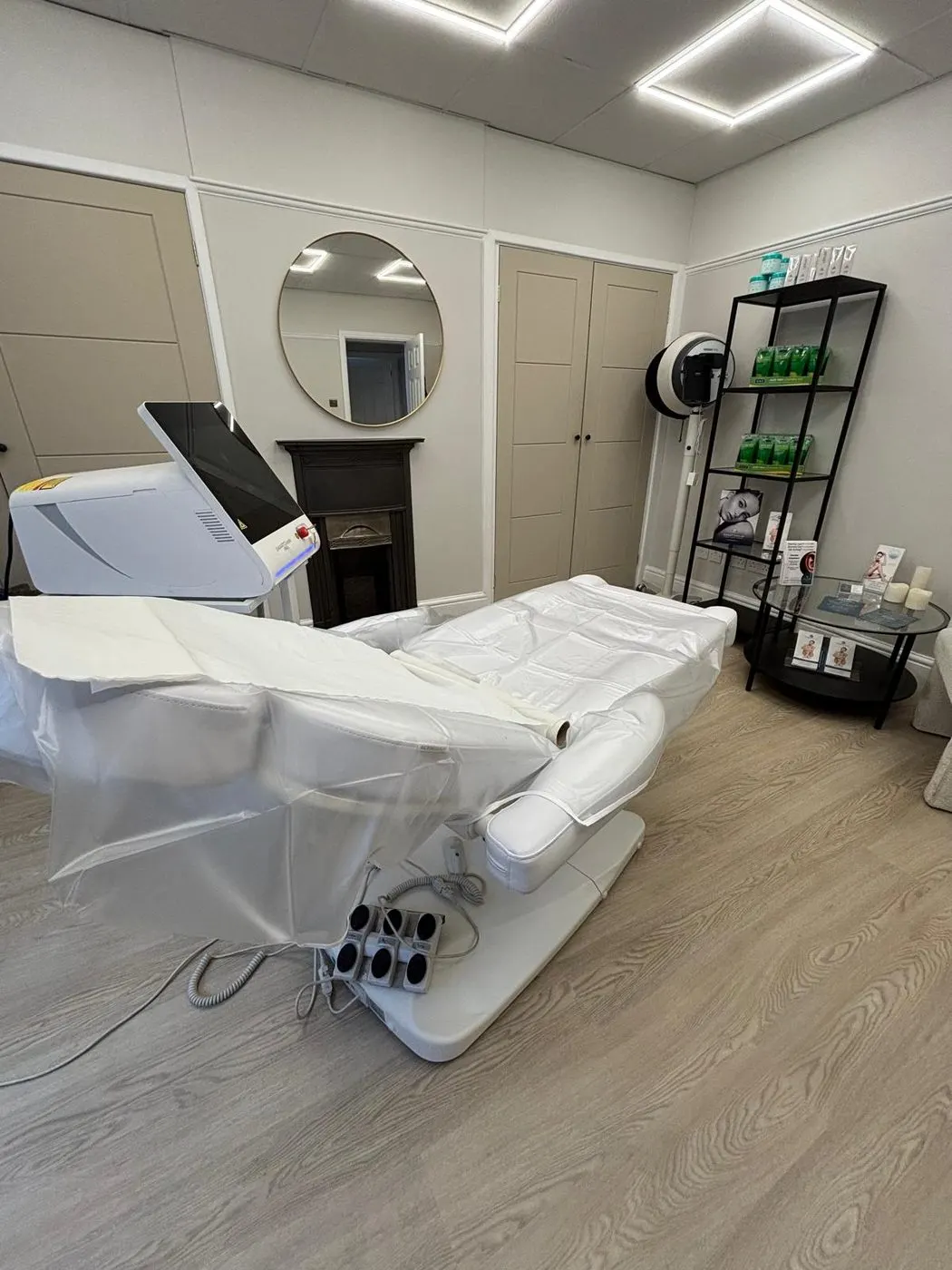
Leah's room is upstairs at Hannah Clarke Advanced Skin in Rainford, and the machine is up there with it, so you do need to be able to manage the stairs.
It is a comfortable room, and you can ask as many questions as you want, before, during or after.
Laser Hair Removal: The Questions Everyone Asks
Does laser hair removal work on blonde, red or grey hair?
No. Laser targets the pigment in the hair follicle, and blonde, red and grey hair does not carry enough pigment to respond well. Leah will tell you at your patch test if she does not think your hair will respond.
Can I have laser hair removal if I have darker skin?
Yes. All skin types are treated. At consultation your skin is assessed with a Fitzpatrick skin type device, which reads your skin type from 1 to 6, and the machine settings are matched to that reading.
What is a Fitzpatrick skin type?
It is the standard scale for classifying skin from type 1, the fairest, to type 6, the deepest. Leah measures yours with a small device placed on the skin, and uses the result to set the machine correctly for you.
Do I need a patch test?
Yes, every new client. It is required for insurance and it establishes that treatment is safe for you. If your skin reacts to the test, for example with blistering, treatment does not go ahead.
How should I prepare for laser hair removal?
Shave the area rather than waxing or plucking it, because the laser needs the follicle intact to target. Avoid tanning and sunbeds before and after treatment, and mention any sun holidays at consultation so your sessions can be planned around them.
How many sessions will I need?
A course of six to twelve, then maintenance. The number varies because the hair has to be treated at the right stage of its growth cycle and everyone responds differently.
How far apart are the sessions?
Body areas are usually four to six weeks apart. Facial hair is one to two weeks apart, because it grows back much faster. If the hair has not regrown yet, your session is moved back rather than wasted.
How much does laser hair removal cost?
Per session, £19 for a micro area such as the upper lip, £39 small, £69 medium and £89 for a large area such as full legs. Packages start at £99 for underarms and Hollywood, £129 with half legs and £139 with full legs. Other combinations can be priced at consultation.
Do you treat men?
Yes. Laser hair removal here is for men and women, and the treatment is the same.
Is laser hair removal permanent?
It gives permanent hair reduction rather than permanent removal. After a course you are left with significantly less hair, growing finer and slower, and most people keep it that way with a maintenance session every three to four months.
What is the aftercare?
Some redness or soreness afterwards is normal. Aloe vera gel is recommended if the area feels irritated, and you should keep off sunbeds and avoid tanning the treated area. You will have Leah’s number if you are unsure about anything between appointments.
Is there step-free access?
No. The treatment room and the machine are upstairs, so you do need to be able to manage the stairs.
While You're in the Chair...
Book Laser Hair Removal
The first step is a consultation and patch test. No pressure, no obligation, and an honest answer about whether laser will work for you.
Come and Be Nosy on Instagram