GOT A QUESTION, FEEL FREE TO CONTACT US
Enter your contact details below and we will be in touch to assist with your query within 48 hours.






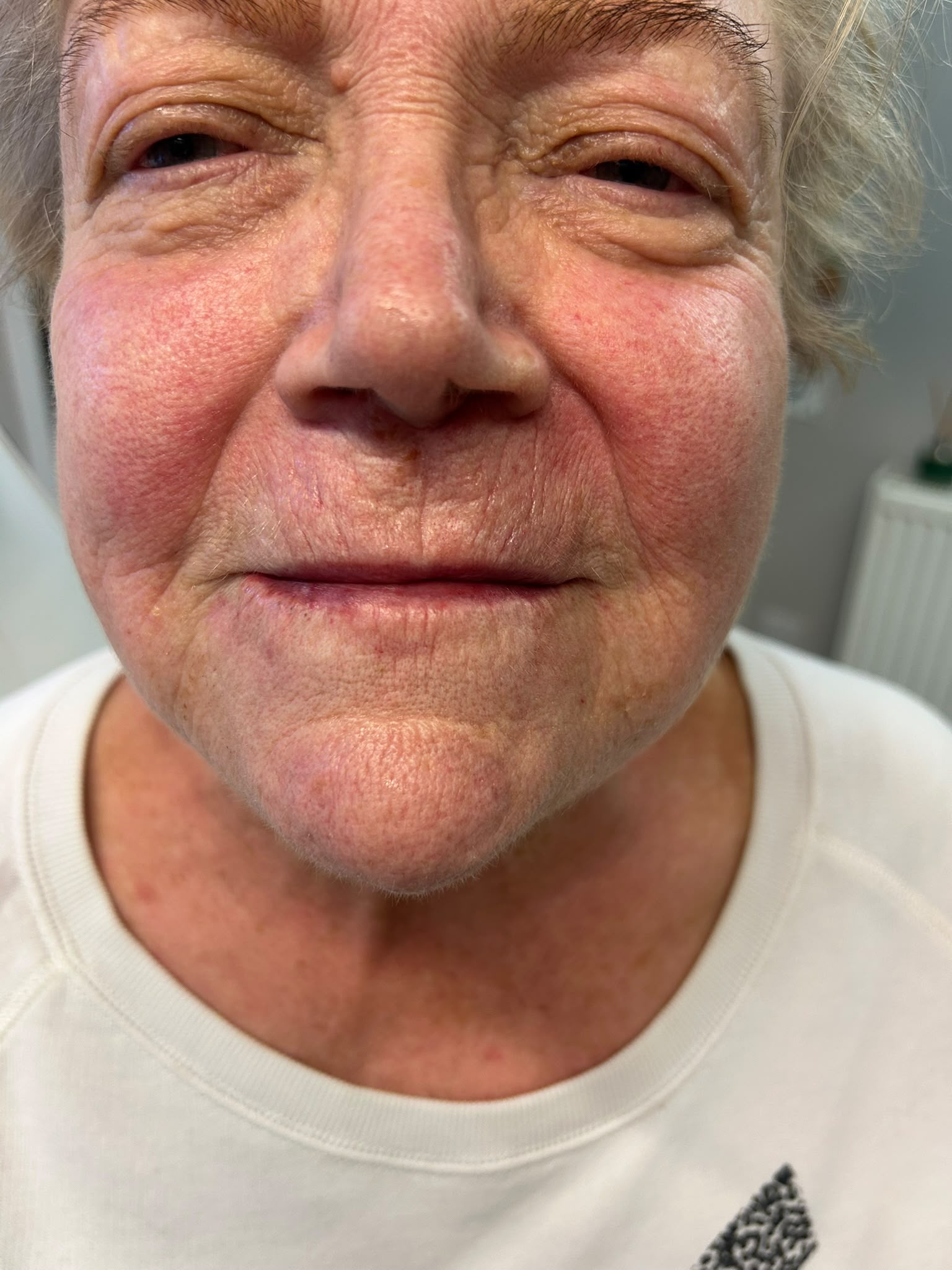
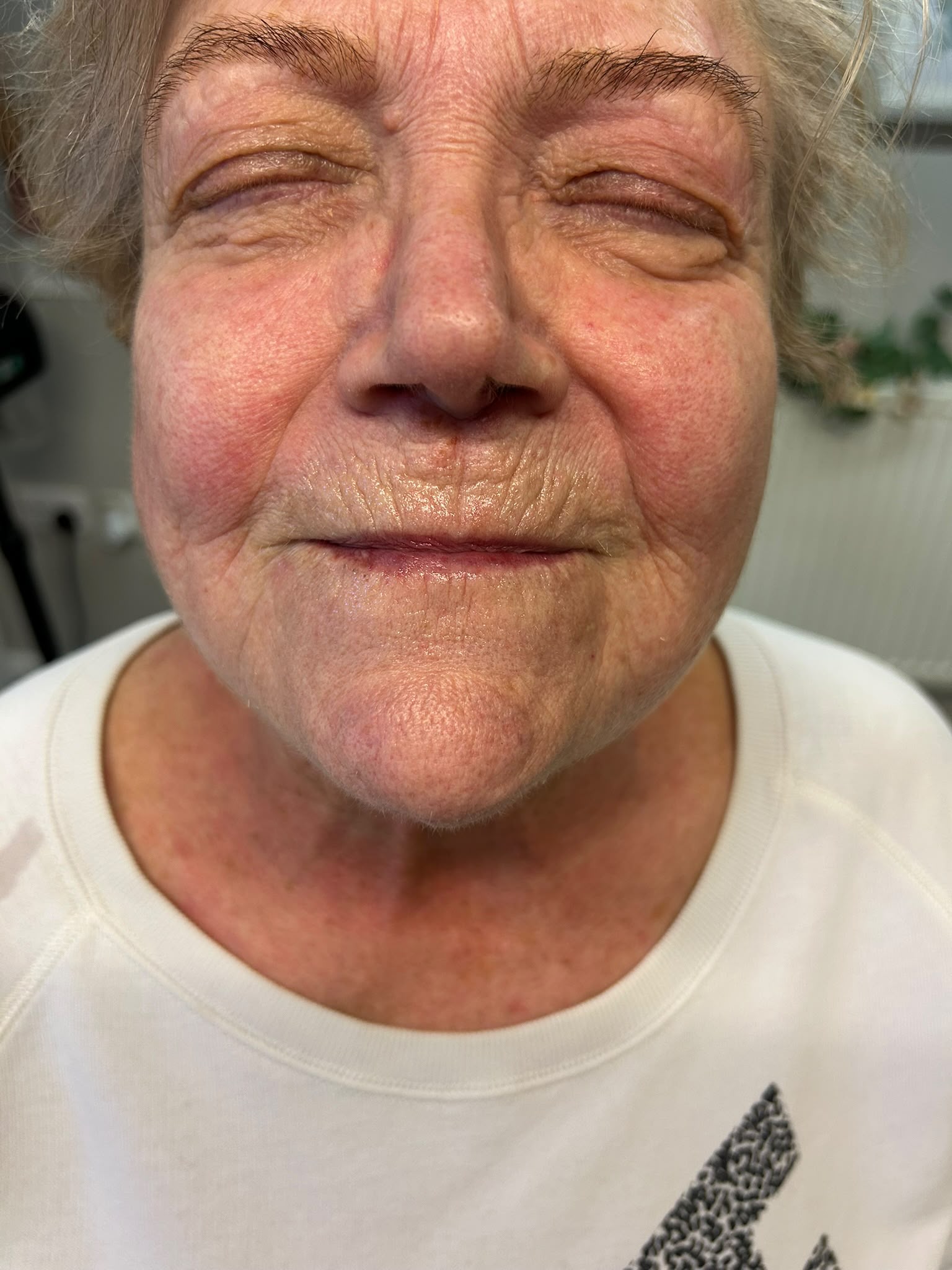
Temple hollowing is one of the least talked about signs of facial volume loss, and one of the most noticeable once you know to look for it. As the temples hollow, the transition between the forehead and the cheekbone becomes a dip rather than a curve, which reads as tired and drawn.
Gemma treats the temples to restore volume, softening that transition.
Temple hollowing rarely happens on its own, so cheek filler is usually assessed at the same appointment. See dermal fillers in St Helens for the full range.
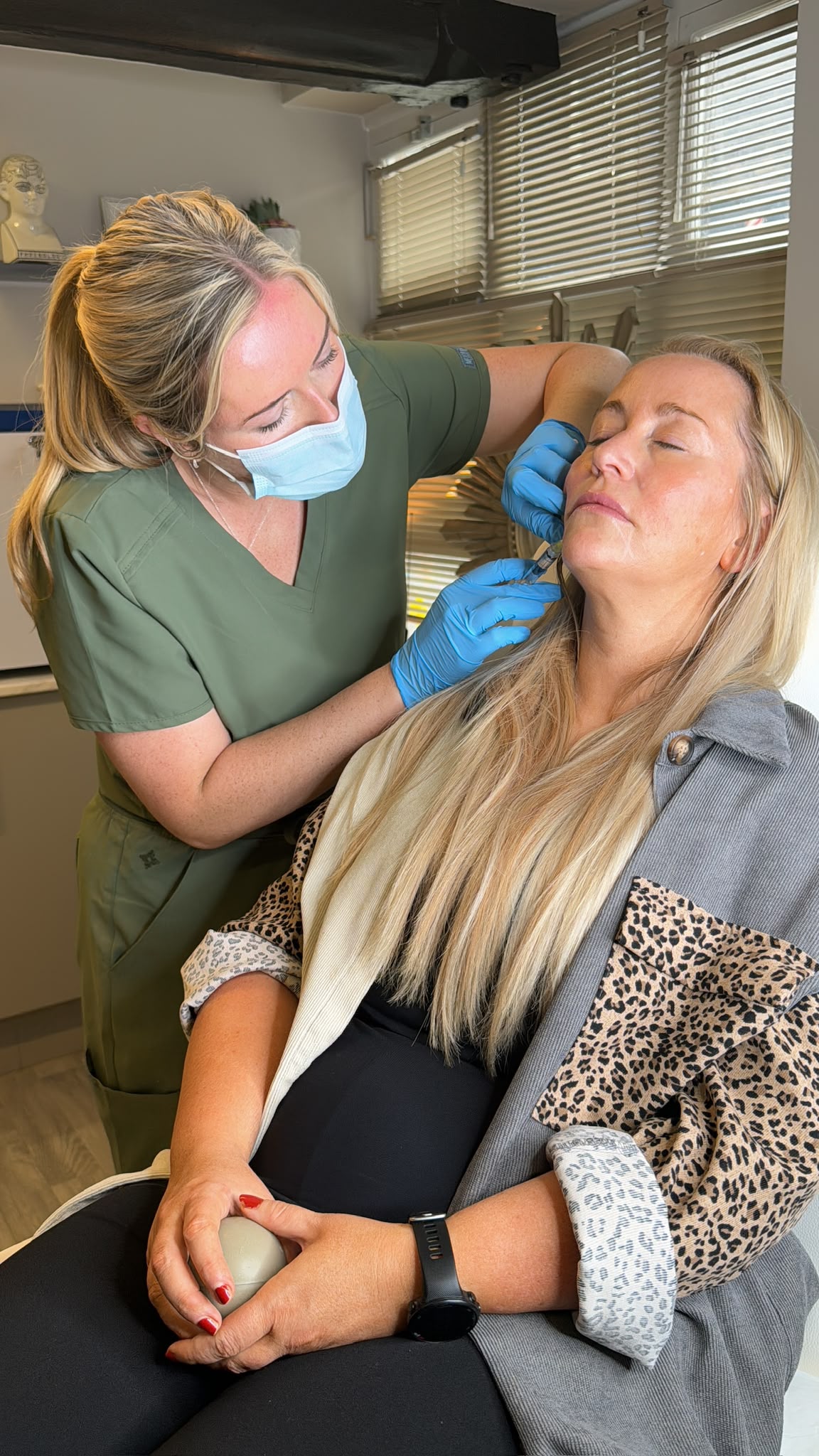
At Hannah Clarke Advanced Skin and Beauty in Rainford, filler is administered by Gemma Fletcher, a Registered Nurse and Independent Nurse Prescriber with over five years injecting daily.
Most people describing a tired, drawn look are describing temple hollowing without having a name for it.
Because there is no line and no fold, temple hollowing rarely gets pointed at in the mirror. What people notice is the overall impression: looking tired regardless of sleep, or a face that reads as narrower at the top than it used to.
Restoring volume there brings back the curve between the forehead and the cheekbone, which lifts the whole upper face without touching a single line.
Temples use a filler with structure, so results tend to last around twelve months. As with every area, Gemma builds slowly rather than filling to the finished result in one appointment.

Most people asking about filler are really asking about safety, so here is the honest version.
Mild effects are normal. Bruising and swelling after treatment are expected rather than a problem.
Infection is uncommon and usually avoidable. The procedure is as sterile as it can be and the skin is thoroughly cleansed. Where infection does occur it generally follows aftercare being ignored, most often makeup going on the area too soon. That is why Gemma asks you not to rub or touch the area for the first four hours.
Vascular occlusion is the serious one. It is where filler blocks an artery supplying the treated area. It is rare, and in Gemma's words it is usually a problem of unsafe hands. If left unrecognised it can lead to tissue necrosis, which is what people have seen on social media and in the papers. That outcome almost always traces back to a practitioner who did not react quickly enough, or who sent the client away without properly explaining aftercare.
Gemma will not let you leave the clinic if she has any concern about occlusion. After treatment she assesses the colour of your skin and any pain you are experiencing, and she is looking at the treated area specifically before she is happy for you to go home. If a complication did occur, hyaluronic acid filler can be dissolved immediately, and beyond some bruising there would be no lasting result.
BOOK TODAY
Dermal filler treatments at Hannah Clarke are delivered by Gemma Fletcher.
- Registered Nurse with the Nursing and Midwifery Council.
- V300 Independent Prescribing qualification, so she consults, prescribes and administers independently.
- Trained at Northwest Aesthetics and Dr. Hennessy Aesthetics, with ongoing training.
- Over five years injecting dermal filler, performing treatments daily.
- Carries hyaluronidase, the enzyme that dissolves hyaluronic acid filler, on site at every appointment.
That last point matters more than it sounds. In her words: "I would have hyaluronidase on site at every appointment just to ensure in an emergency I would be able to treat." Not every injector can prescribe it, and not every injector has it in the room.
Enter your contact details below and we will be in touch to assist with your query within 48 hours.

Hannah has always been a perfectionist, i have been using her for the past 2 years and wouldn't change for anything. She has just started using the gel bottle nails and its amazing.
Always 100 % happy with my gel nails with Hannah. Being a beauty therapist myself , I know she uses the best quality products and constantly updates her skills X
Been going to Hannah for a few years now, she’s innovative and creative with any design ideas I may have and we always have a good chat and laugh whilst she’s doing my nails!
Hannah is the only nail technician I go to and trust. She is brilliant and her work never disappoints. 100% would recommend.
Hannah is so lovely, friendly and professional. I wouldn't trust anybody else with my nails or my eyebrows - nails that last forever! She is a perfectionist! I am always receiving compliments about how good my nails and eyebrows look! I cannot reccomend her enough!
Our gift vouchers are available via our online store - Shop now today.