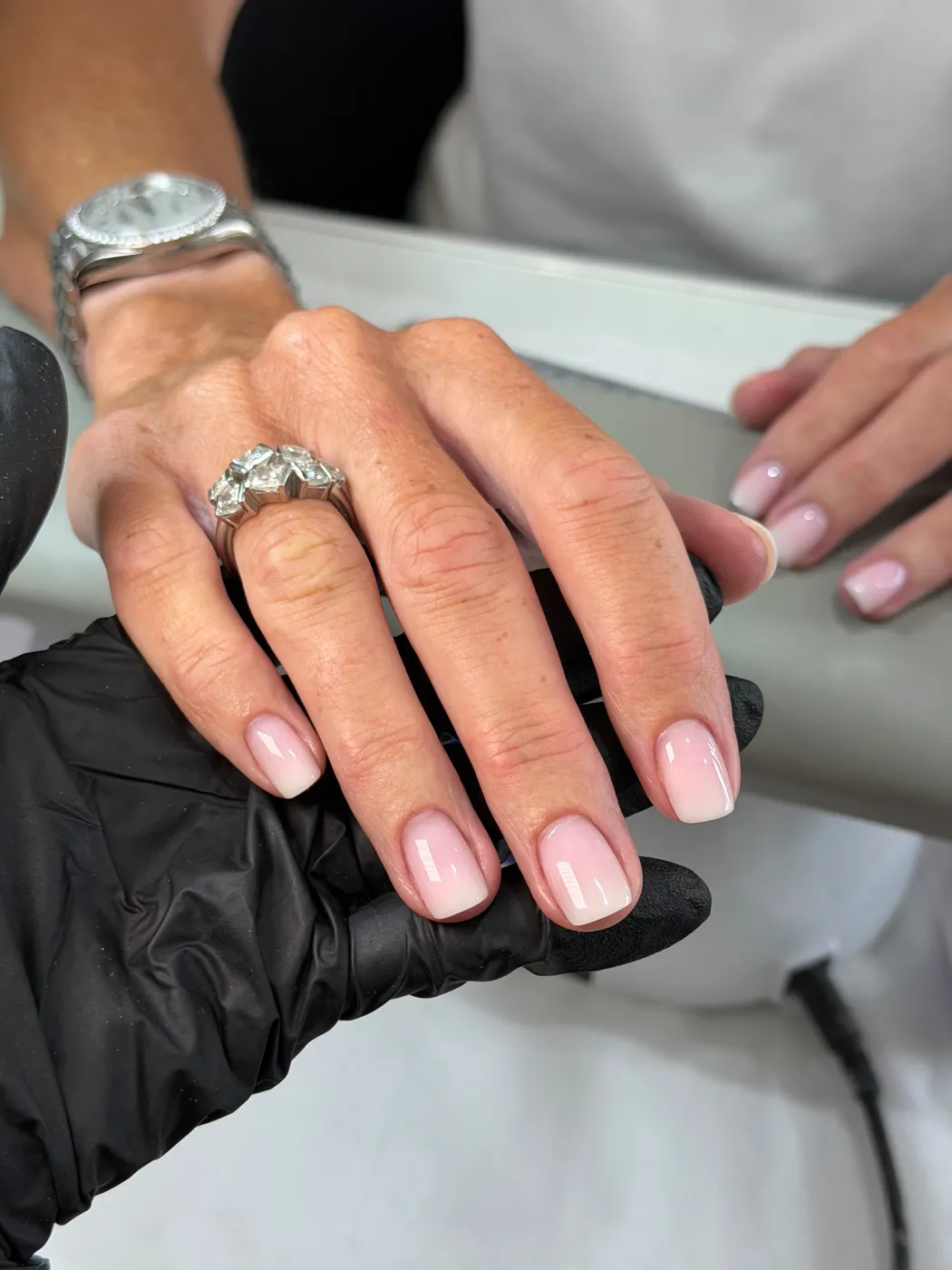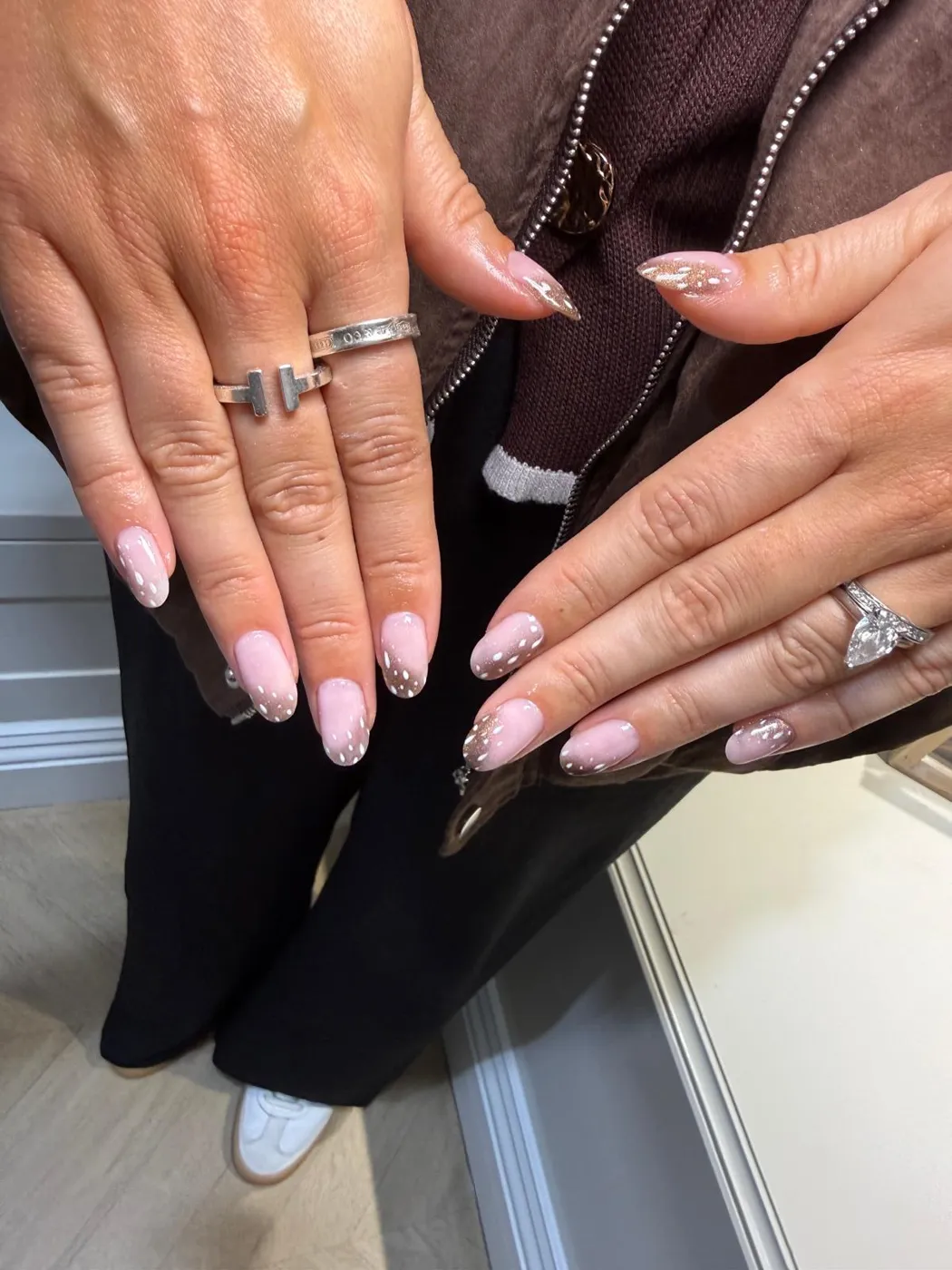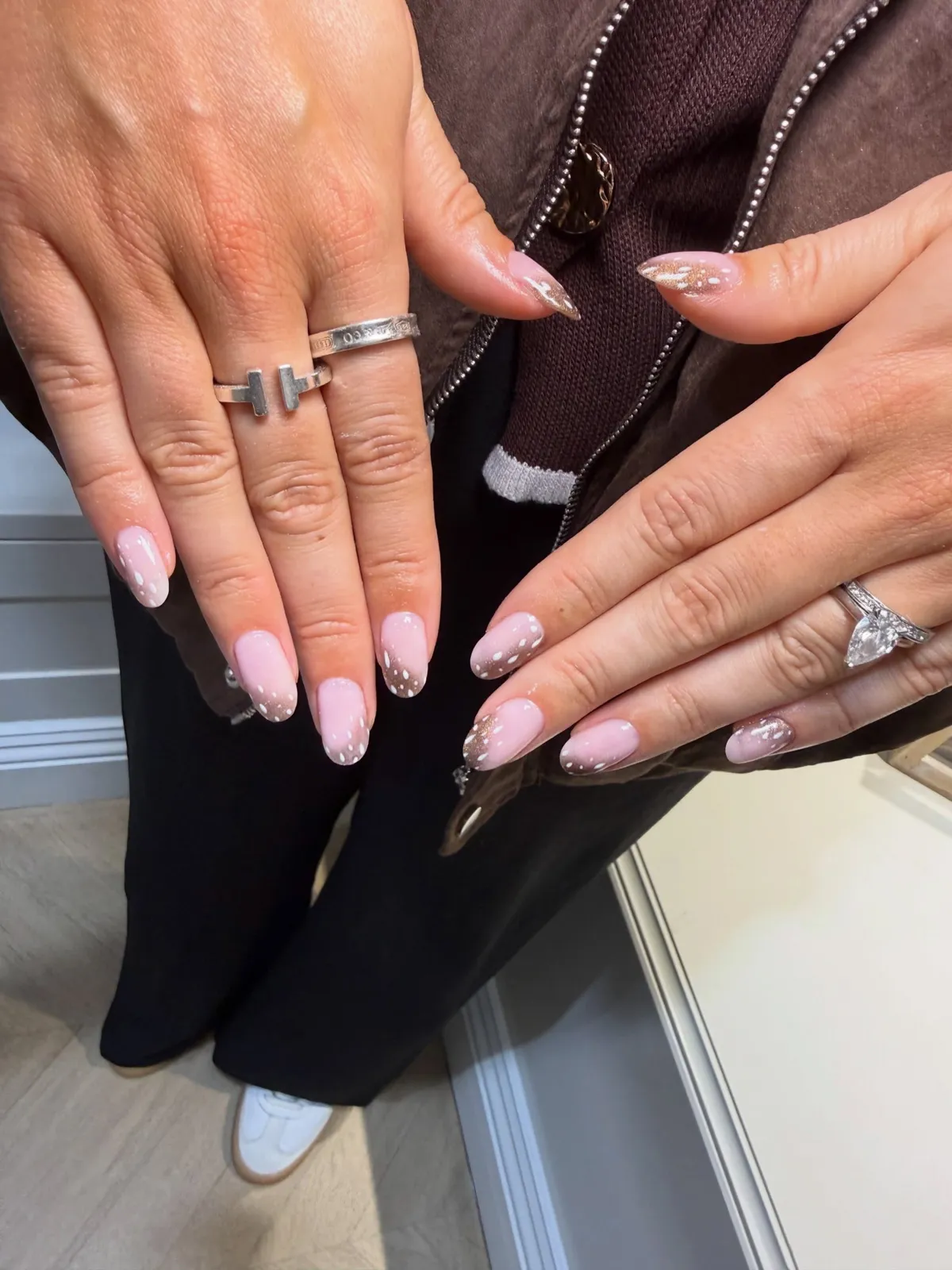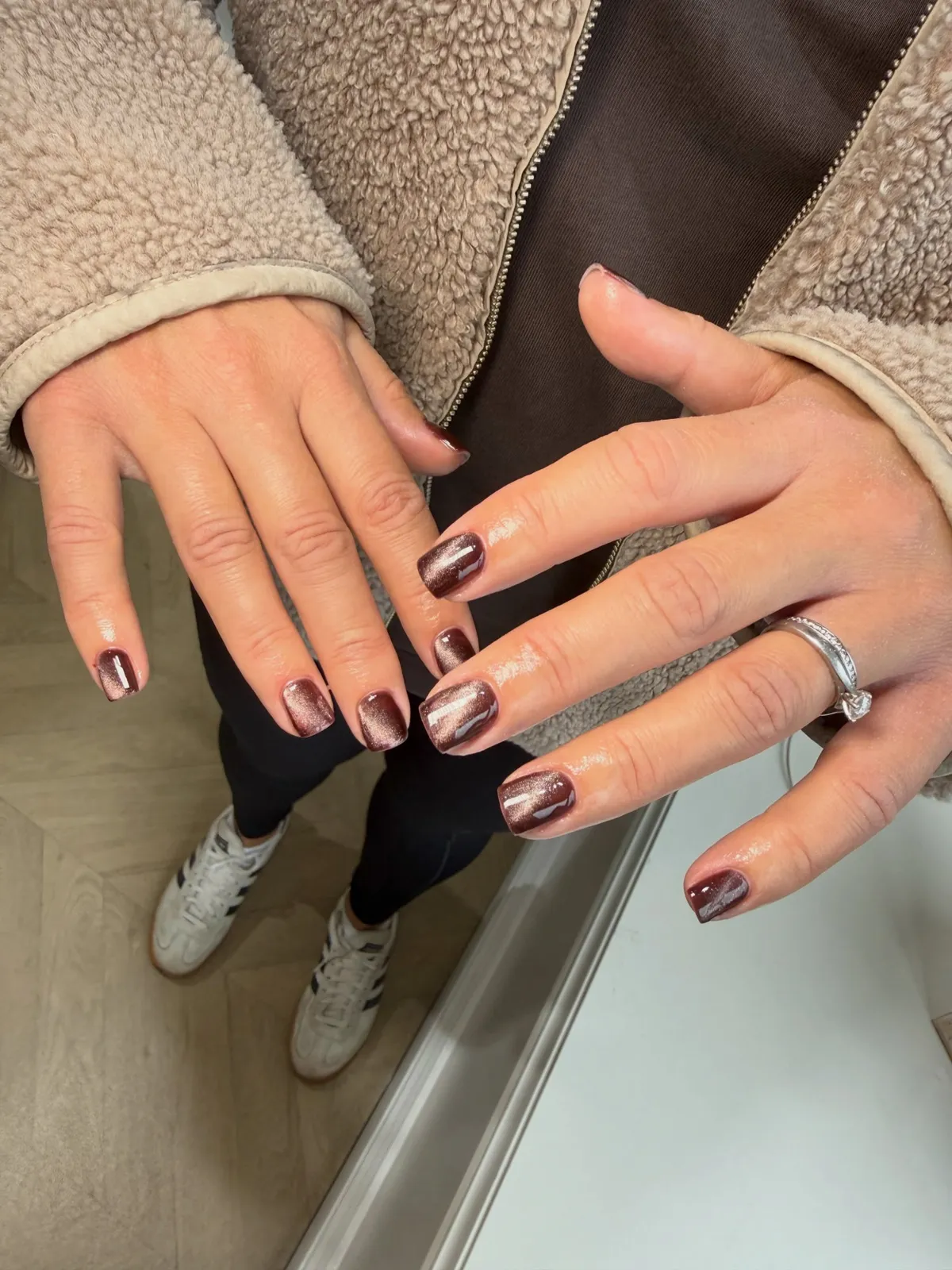
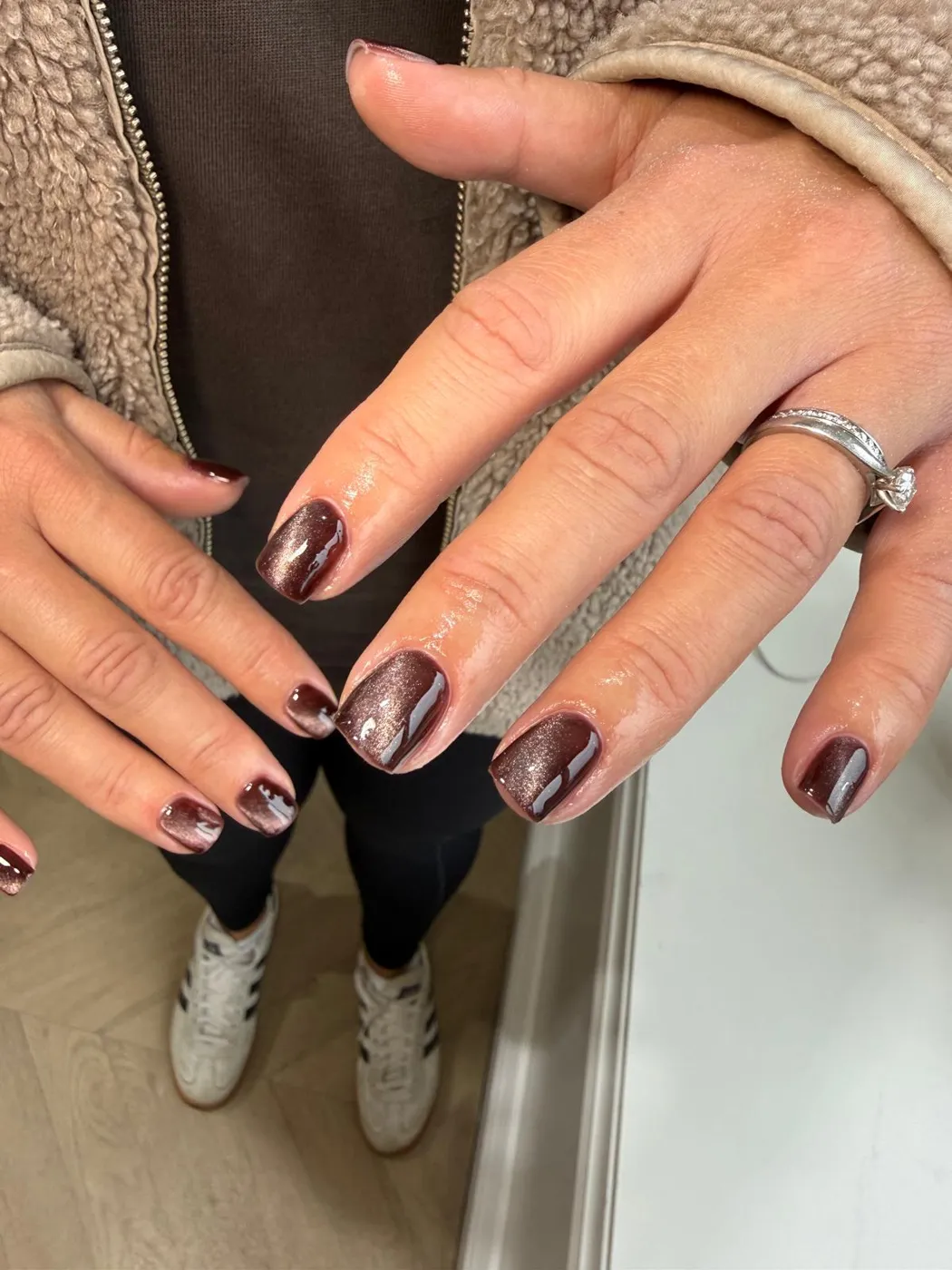
The shades change in September. Every year, within about a fortnight of the schools going back, the requests at the salon shift from brights and pastels to espresso, mulled berry and burnt amber.
BIAB is the reason those shades last through the season. A standard gel polish gives you a week or two before the chips start. BIAB gives most clients three to four weeks, because it is a builder gel that reinforces the nail rather than a colour sitting on top of it.
Here are fourteen autumn shades our five nail technicians are applying most this season. After those, the questions people actually ask us: whether BIAB damages the nail, how long it really lasts, and why taking it off at home is the fastest way to ruin a good set.
What BIAB is, in one paragraph
BIAB stands for Builder In A Bottle. It is a strengthening gel applied over your natural nail, thicker than standard polish, cured under an LED lamp between coats. It creates a durable layer that reinforces weak or bending nails while still looking natural, then takes a gel colour and a high-shine top coat on top.
It is more flexible than acrylic, considerably stronger than gel polish, and light enough that most people forget they are wearing it. Because it holds the nail together, it can go on very short nails too.
"It's thicker than normal polish and it creates a layer that helps reinforce weak or flexible nails whilst they still look natural. Comparing it to acrylic, it's a lot more flexible and it's stronger than a standard gel polish."
Our nail room is Hannah plus four other qualified technicians, and we invest in training continuously. Application technique changes the result more than the brand on the bottle does.
If you are choosing a salon rather than choosing us, BABTAC and Habia are the UK bodies that set beauty industry standards, and both are worth knowing about when you are assessing whether a technician is properly qualified and insured.
Our BIAB page has the full explanation, including the HEMA-free option.
14 autumn BIAB shades for 2026
These are the colours moving fastest in the salon this month. Photographed on clients, not on swatch sticks.
1. Espresso brown
The shade of the season, and it has been building for three autumns running. Deep, warm and flattering on every skin tone.
2. Mulled berry
A red with plum underneath it. Reads richer than a true red under low winter light.
3. Burnt amber
Warm orange-brown. The one that photographs best against tweed and camel coats.
4. Milky cinnamon
A sheer, buildable spiced nude. The low-maintenance choice, because regrowth barely shows.
5. Olive
Muted green-grey. Unexpected, and consistently the shade clients come back for.
6. Oxblood
Almost-black red. Timeless, and it suits short nails as well as long.
7. Toffee cream
Soft caramel with no grey in it. The autumn answer to a milky nude.
8. Chocolate chrome
Espresso base with a pearlescent topper. Catches light far better than glitter does.
9. Dusty rose
The transitional shade. Works while the weather cannot decide what it is doing.
10. Charcoal
Grey rather than black. Softer in photographs and easier to wear day to day.
11. Mustard
Bold, and best on shorter nails where it stays graphic rather than loud.
12. Cocoa French
A classic French with the white tip swapped for brown. Enormously popular this year.
13. Sheer plum
Buildable, so you choose the depth. One coat for a wash of colour, three for full opacity.
14. Bare with a cocoa accent
Natural nails with a single brown feature nail. The compromise for anyone who works somewhere that frowns on colour.
Nail art needs extra appointment time. Tell us when you book so we can allow for it.
Choosing a shade that suits you
Skin tone matters more than trend does, and the good news is that autumn shades are forgiving.
A rough guide from behind the desk:
- Cool undertones sit well with oxblood, charcoal, sheer plum and dusty rose
- Warm undertones take espresso, toffee, burnt amber and mustard beautifully
- Neutral undertones can wear essentially anything on this list
- Very fair skin often looks better in a sheer build than full opacity
- Deeper skin tones carry mustard, olive and chrome finishes particularly well
Length changes the answer too. A bold shade that looks graphic on short nails can read heavy on long ones, and a sheer build that looks elegant long can look like nothing at all short.
If you are unsure, ask for a sheer first coat and build from there. We can add depth in the chair. Taking it away means starting again.
Not sure what suits you at all? Bring a coat or a jumper you wear constantly. Matching the nails to the clothes you actually own beats matching them to a mood board.
Is BIAB actually good for your nails?
Applied correctly and removed professionally, yes. BIAB protects the nail underneath while it grows.
The damage people blame on BIAB is almost always removal damage. Picking it, peeling it, or using your teeth takes layers of the natural nail plate with it. That is what causes the thin, tender, flexible nails people then attribute to the product.
There is a second thing worth knowing. The British Association of Dermatologists has warned about an artificial nail allergy epidemic in the UK, naming HEMA as the most common acrylate causing allergic sensitisation. The BBC reported on an investigation into gel polish reactions in 2023.
We stock a HEMA-free BIAB for clients with sensitivities. Mention it at booking rather than on arrival. The British Association of Dermatologists publishes patient information leaflets covering skin and nail conditions if you want to read further.
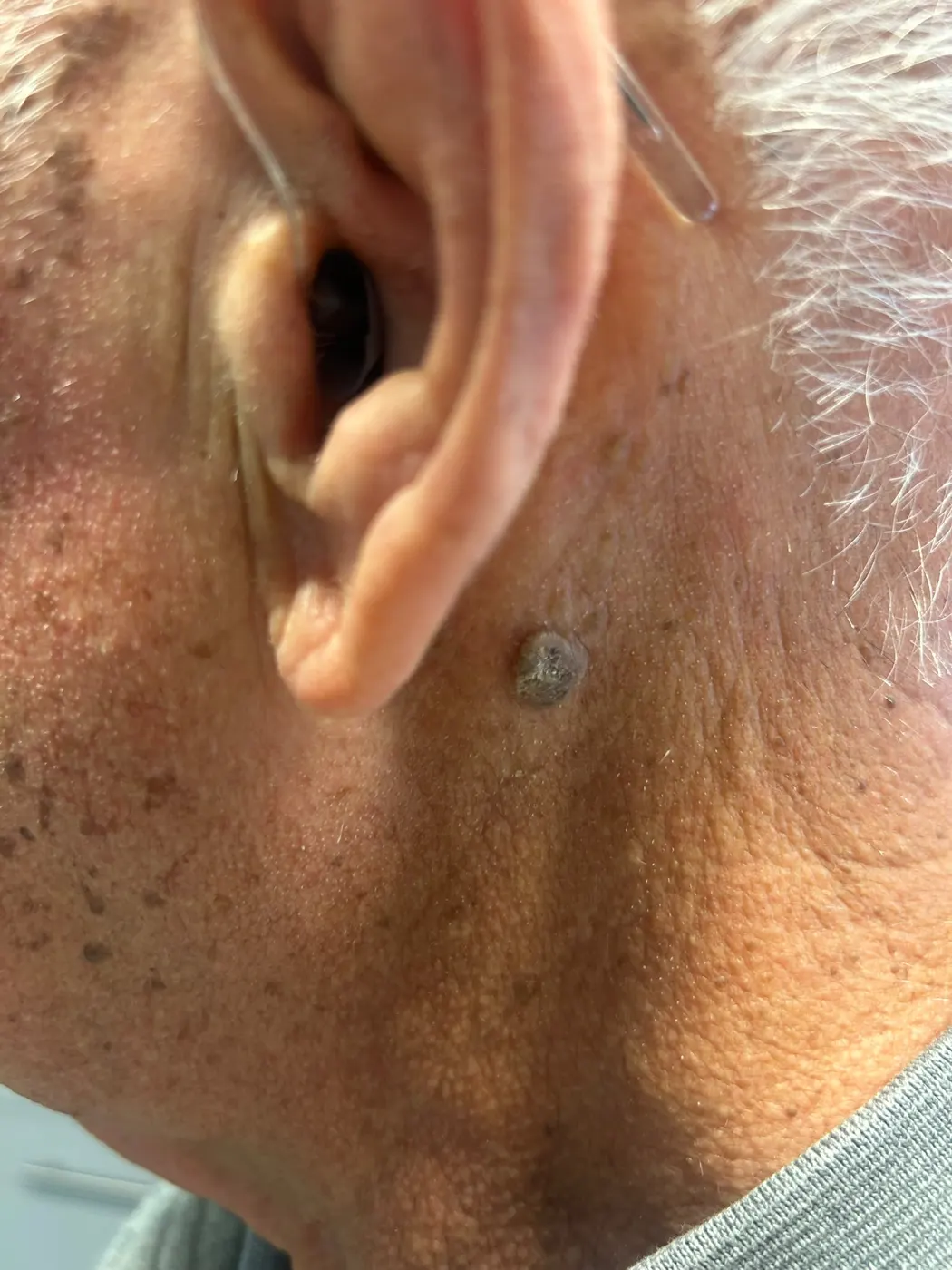
If a nail looks discoloured or thickened rather than simply weak, that may not be product related at all. The NHS covers fungal nail infections separately, and they need treating rather than covering with colour.
What to do if your nails are already damaged
Plenty of people arrive in September having spent the summer wrecking their nails, and they arrive apologetic about it. There is no need.
Sun, sea, chlorine and a set left on three weeks too long will thin the nail plate. So will a holiday soak-off done in a hurry. It is the most common September consultation we have.
What we do about it:
- Assess the nail plate properly before applying anything
- Start with a thinner build rather than a full-strength set
- Shorten the infill interval to three weeks while the nail recovers
- Use the HEMA-free option if there is any sign of sensitivity
- Book a soak-off and rest period only if the damage genuinely warrants it
The instinct is to leave nails bare to let them recover. That is usually wrong. A bare damaged nail bends, catches and breaks, which sets the recovery back further. A light BIAB build protects it while it grows.
How long does BIAB last?
Three to four weeks for most clients. We do not recommend going beyond that.
Past four weeks, the grown-out area at the cuticle starts to lever the product away from the nail. Once lifting begins, the set is on borrowed time and the temptation to pick becomes very hard to resist.
"We don't recommend any longer, as the BIAB becomes unbalanced, it's more likely to lift and snap, and the extra growth can place a lot of stress on the natural nail."
That last part is the bit people underestimate. A four-week-old set looks untidy, and it also acts as a lever on your own nail every time you catch it.
What shortens it:
- Working with your hands, particularly anything wet
- Cleaning or gardening without gloves
- Using your nails as tools to open things
- Skipping cuticle oil
- Leaving a lift unrepaired
What extends it:
- Cuticle oil daily, without exception
- Gloves for washing up, cleaning and gardening
- Booking the infill at three to four weeks rather than waiting for a problem
- Coming in for a repair the day a nail cracks rather than the week after
- Choosing a shade close to your natural nail, so regrowth is less obvious
- Keeping hand cream somewhere you will actually use it
Why you should never remove BIAB at home
Searches for removing BIAB at home have risen sharply this year, and we understand the impulse. It is still the single worst thing you can do to a good set of nails.
There are two safe removal methods, and both happen in the salon:
- Soaked off with a proper acetone solution, after the top layer is filed to let it penetrate
- Debulked with an e-file and topped up as part of your infill
Home kits, shop-bought soak-off pots and the "just peel it, it's coming off anyway" approach all remove nail plate along with product. That damage takes months to grow out, which is the irony: people remove BIAB at home to give their nails a break, and give themselves the exact problem BIAB was fixing.
If a nail breaks, leave it. File any rough edge gently downwards and call us. Our nail aftercare line is 07514 307 552.
BIAB myths, and who it does not suit
Two things people get wrong before they book, and one short list of exclusions.
Four BIAB myths worth clearing up
These come up in the chair every week.
"BIAB ruins your nails." It does not. Incorrect removal ruins nails. The product itself protects them.
"BIAB is just gel polish." It is not. It is considerably stronger and designed to build structure rather than add colour.
"BIAB makes your nails grow." No. It does not speed up growth at all. What it does is protect the nail as it grows naturally, so you keep the length instead of losing it to breakages.
"Anyone can apply BIAB." Application technique makes an enormous difference, both to how long the set lasts and to whether your natural nails stay healthy underneath.
"Incorrect removal will ruin your nails, not the BIAB by itself."
Who BIAB is not suitable for
Short list, and worth reading before you book.
BIAB is not suitable if you have:
- A bacterial infection affecting the nail or surrounding skin
- Certain inflammatory skin conditions in the nail area
- An active fungal nail infection, which needs treating rather than covering. nidirect has a clear plain-English summary of the signs
If you have any allergy to nail products, tell us at booking. We keep a HEMA-free BIAB that is a good deal gentler, and it means most people with sensitivities can still be treated.
BIAB, gel polish or acrylic?
The three get used interchangeably and they behave very differently.
| BIAB | Gel polish | Acrylic | |
|---|---|---|---|
| Strength | Strong and flexible | Minimal | Very strong, rigid |
| Typical wear | 3 to 4 weeks | 1 to 2 weeks | Up to 4 weeks |
| Adds length | A little | No | Yes, instantly |
| Feel | Light | Lightest | Heaviest |
| Best for | Growing out weak nails | Short-term colour | Instant length and crisp shape |
BIAB is the right choice if the goal is your own nails, longer and stronger. Acrylic is the right choice if you want length this afternoon. Gel polish is the right choice for a fortnight of colour with nothing structural underneath.
If you want significant extra length straight away, we would point you towards gel extensions, preferably hard gel, rather than trying to build it with BIAB. Our nails page covers extensions, hard gel, acrylic and shellac.
What a good BIAB appointment looks like
Worth knowing what a good appointment looks like, because it is how you judge any salon.
- Consultation about your nails, what you want and what shape suits
- Cuticle work and nail prep
- BIAB applied in layers, each cured under an LED lamp
- Shape refined and perfected
- Gel colour on top, then a high-shine top coat
- Cuticle oil to finish
Step two is the one that matters most.
"The nail prepping is the most important stage of the application process."
A set that lifts in week two almost always failed at prep, not at the colour.
The six-month BIAB nail journey
A lot of clients start what we call a BIAB nail journey. It takes around six months to get from bitten or damaged nails back to long, healthy natural ones.
The pattern is simple:
- A professional application to start
- An infill every three to four weeks
- A full soak-off and fresh set every third infill
- Consistent aftercare in between, which mostly means cuticle oil
BIAB holds everything together and prevents breakages while your own nail grows underneath. Autumn is a sensible time to start one, because six months from now takes you to spring with nails you can do anything with.
It is also the right call if you are working towards something. Brides in particular tend to leave nails until the final month, when the useful work happens across the preceding six. The same logic applies to a milestone birthday, a holiday, or simply wanting your hands to look like yours again.
Booking for autumn and the run-up to Christmas
Two practical notes.
Appointments tighten from late October onwards, and December Saturdays go first. If you want a specific shade or any nail art for a party, book the slot now and decide the design later.
Second, work your infill dates around anything important. A set applied three to five days before an event looks settled rather than glassy, and gives you room if anything lifts.
A full BIAB set takes around an hour. An infill takes about the same. Nail art adds to both.
Worth pairing while you are here:
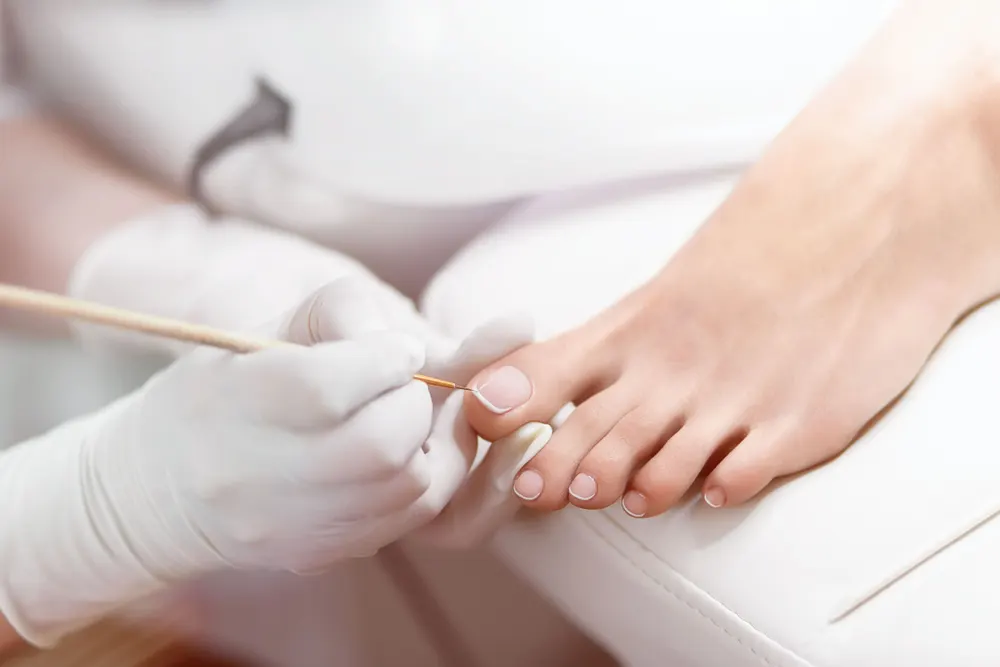
- A gel pedicure before the boots go on for good
- Brow shaping or tinting, which suits the same appointment slot
- A Korean lash lift if party season is in your diary
- A facial once central heating starts drying everything out
Final thoughts
Choose whatever shade you like. Espresso will still be everywhere in November, and it will suit you.
The part that decides whether your nails look good in March is not the colour you pick in September. It is whether you get them removed properly, keep the infills to three or four weeks, and use cuticle oil like you mean it.
Have a look at our before and after gallery for real client work, browse the full treatment list if you are planning ahead, or add a matching gel pedicure while boots are still optional.
Book with Hannah or one of our four qualified nail technicians at Hannah Clarke Advanced Skin and Beauty, 38 Church Road, Rainford, St Helens. Book online or call 07514 307 552.